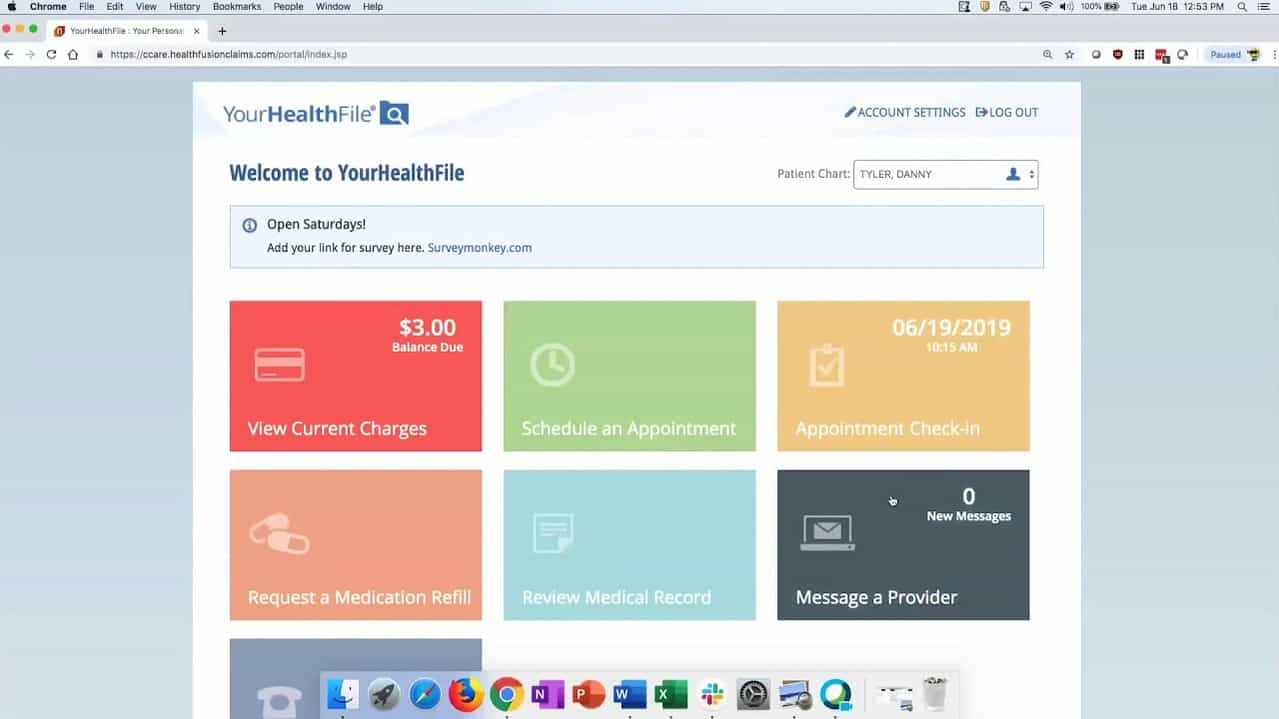
Patient portals have revolutionized how patients engage with their health information and how healthcare providers deliver care. These digital tools serve as a bridge, fostering more efficient, transparent, and personalized healthcare experiences. By enabling easy access to medical records, facilitating communication, and streamlining administrative tasks, patient portals are transforming the healthcare landscape for everyone involved.
A well-implemented portal enhances operational efficiency, encourages patient participation, minimizes unnecessary phone calls, and reduces administrative burdens. As a result, providers can allocate more time to delivering quality care while patients enjoy greater control over their health journeys. The benefits extend beyond convenience; they contribute to better health outcomes and higher satisfaction levels.
Access to Medical Records
A primary feature of patient portals is providing individuals with secure online access to their comprehensive medical histories. This includes appointment summaries, physician notes, lab results, and medication lists. Such access not only empowers patients to stay informed but also promotes proactive health management, especially for those managing chronic conditions.
Studies indicate that patients who can view their health data tend to adhere more consistently to treatment plans. Additionally, portals can help identify discrepancies or errors in electronic medical records, enhancing overall accuracy. This transparency fosters trust and encourages patients to take an active role in their healthcare decisions.
To deepen understanding of how digital tools are transforming clinical practice, explore what AI actually does for doctors and patients in clinical settings.
Healthcare providers are encouraged by organizations like the American Medical Association (AMA) to proactively educate patients on portal use. Clear instructions, accessible tutorials, and pre-visit registration can significantly improve adoption rates. Recognizing that older adults may be less likely to utilize these systems is essential; tailored outreach and support can bridge this gap and ensure equitable access.
Patient satisfaction correlates strongly with portal use. Those who access their records report feeling more engaged and less reliant on in-person visits. They find it easier to communicate with providers, request refills, and monitor their health status. Importantly, portals can reduce emergency visits by enabling better medication adherence and early issue detection, as highlighted in current trends how AI is being used in healthcare right now.
Self-Scheduling Appointments
Online appointment scheduling via patient portals has become a vital component of modern healthcare delivery. Patients value the convenience of booking their visits without phone calls, often leading to increased satisfaction and loyalty. Systems like UCSF Health exemplify this trend by allowing patients to select available slots directly, ensuring timely access to care.
Implementing effective self-scheduling requires integration with your electronic health record (EHR) system. Ensuring that appointment requests sync seamlessly with your main calendar prevents conflicts, streamlines workflow, and minimizes errors. If your EHR lacks direct synchronization, staff may need to manually transfer appointments, which underscores the importance of efficient procedures.
Designate specific time blocks for self-scheduled appointments. This helps staff manage their workload and maintain an organized schedule. Regular monitoring of portal activity and user feedback will guide improvements, ensuring the portal continues to meet patient needs and enhances practice efficiency.
Interesting:
Convenient Communication with Your Provider
Secure messaging through patient portals fosters direct, timely communication between patients and healthcare providers. Patients can view test results, discuss concerns, request medication refills, or ask questions—all from a single, easy-to-use platform. This not only improves patient engagement but also provides clinicians with valuable insights into their patients’ health status.
By reducing phone calls and in-person inquiries, portals free up staff resources and allow physicians to focus on more complex cases. They also support better clinical decisions by providing a continuous flow of information. Many patients find portals indispensable, as they empower them to manage their health proactively.
Effective promotion of portal use involves setting clear goals, establishing policies for staff responsibilities, and training patients on proper use. Educating patients about privacy and data security, especially when handling sensitive information, builds trust and encourages consistent engagement. For comprehensive insights into AI’s role in enhancing healthcare communication, visit how AI is being used in healthcare right now.
Access to Test Results
One of the most valued features of patient portals is the ability for patients to access their lab results and health records at any time. This immediate availability reduces anxiety, promotes transparency, and encourages active participation in health management.
However, timely access can sometimes lead to frustration if results are delayed or if patients find it challenging to interpret medical data. Incorporating explanatory notes and clear instructions within the portal can mitigate confusion. Ensuring patients have straightforward ways to contact their providers for clarification is equally important.
Many healthcare providers now include direct links within the portal to facilitate appointment scheduling, cancellations, or follow-up questions, simplifying the patient experience. In line with federal regulations, patients have the right to access their lab reports directly from labs, which underscores the importance of user-friendly interfaces and supportive educational resources.
The goal is to empower patients with information while providing accessible support channels. Doing so enhances trust and promotes long-term engagement with digital health tools.
—
In summary, patient portals are essential components of contemporary healthcare strategies, offering numerous advantages from improved communication to increased patient involvement. As technology advances and adoption grows, healthcare organizations must focus on user education, seamless integration, and privacy protections to maximize these tools’ potential. For further insights on how digital innovations are shaping health services, explore the benefits of digital health strategies.