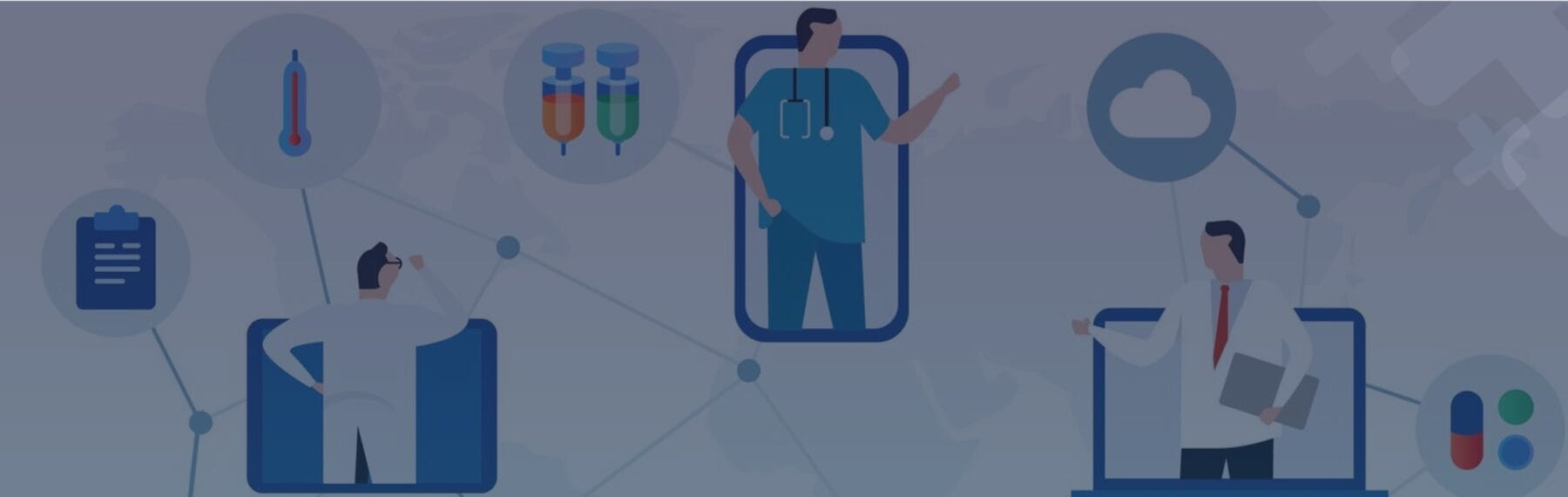
Healthcare is undergoing a significant transformation driven by strategic organizational structures that aim to enhance patient outcomes, reduce costs, and streamline operations. Among these strategies, vertical integration stands out as a powerful approach to unify various components of the healthcare system, from hospitals and clinics to insurers and pharmacies. This comprehensive model not only addresses longstanding industry challenges but also paves the way for innovative care delivery methods, including the adoption of extended reality (XR) technologies. As the industry shifts toward more integrated systems, understanding the nuances and benefits of vertical integration becomes essential for stakeholders aiming to stay ahead in a competitive landscape.
In recent years, the healthcare sector has seen rapid growth in the integrated delivery network market, which was valued at USD 1,442.20 billion in 2023 and is projected to nearly triple by 2033, reaching USD 3,774.84 billion. Notably, vertical integration accounts for approximately 67% of this revenue, reflecting its critical role in industry evolution. This trend demonstrates a collective move toward consolidating resources, optimizing patient care, and managing costs more effectively. As healthcare organizations strive for improved coordination and sustainability, vertical integration emerges as a strategic necessity for future success.
This approach involves consolidating multiple stages of patient care within a single organizational framework—such as hospitals acquiring outpatient clinics, insurance companies expanding into direct healthcare services, or health systems developing integrated supply chains. The overarching goal is to create a seamless, efficient healthcare delivery system that minimizes redundancies, enhances communication between providers, and ultimately results in better patient outcomes. By gaining control over resources and operations, organizations can navigate the complex financial and regulatory landscape more effectively.
What is Vertical Integration in Healthcare?
Vertical integration in healthcare refers to the strategic process of combining different segments of the care continuum under one unified system. This integration enables providers, insurers, and pharmacies to function cohesively, leading to increased efficiency and improved patient experiences. Unlike horizontal consolidation—which involves merging similar entities such as hospitals—vertical integration connects distinct levels of care, like outpatient services being managed within hospital networks or insurance providers expanding into direct clinical care. The primary aim is to streamline workflows, cut costs, and elevate the quality of treatment by having more control over the entire care process.
For example, health systems might acquire specialist clinics or develop their own pharmacy chains, creating a comprehensive network capable of delivering end-to-end care. This model facilitates better data sharing, reduces care fragmentation, and supports innovative practices such as remote monitoring and telehealth. As healthcare technology advances, integrating digital tools like virtual reality (VR) and augmented reality (AR) becomes increasingly relevant, especially in areas like medical training and patient rehabilitation. These immersive technologies are transforming clinical education and patient engagement, as discussed in resources like VR and AR applications in healthcare, pharmaceuticals, and sports.
Forward and Backward Vertical Integration in Healthcare
Forward Integration: This strategy involves expanding into downstream services that patients typically access after initial treatment. For example, a hospital system might acquire primary care clinics or outpatient facilities to manage patient care from diagnosis through recovery. Such expansion ensures continuity of care, reduces referrals outside the network, and enhances patient satisfaction. It also enables organizations to offer comprehensive services that are tightly coordinated, improving clinical outcomes and operational efficiency.
Backward Integration: Conversely, backward integration focuses on controlling upstream supply chain elements, such as pharmacies, medical device manufacturers, or diagnostic laboratories. Insurers, for instance, may acquire or develop pharmacy benefit management services to control medication costs and streamline prescription processes. This approach helps organizations reduce dependency on external vendors, lower operational costs, and increase the quality and timeliness of services. For in-depth insights on how digital innovations are bridging gaps in healthcare, visit revolutionizing modern medicine with XR.
Challenges of Vertical Integration in Healthcare
While the benefits are compelling, implementing vertical integration in healthcare also presents notable challenges. Careful navigation of regulatory landscapes and market dynamics is crucial to avoid pitfalls such as reduced competition or legal complications.
❗ Regulatory and Antitrust Concerns
Vertical integration can potentially lead to monopolistic behaviors, raising regulatory scrutiny. Authorities monitor such consolidations to ensure they do not stifle competition or lead to unfair market dominance. Organizations must comply with antitrust laws, which often involve complex legal assessments, to avoid penalties and maintain a fair marketplace.
❗ High Initial Investment & Complexity
The financial and operational demands of merging and integrating healthcare entities are substantial. Infrastructure upgrades, staff retraining, and system overhauls require significant capital. Additionally, aligning different organizational cultures and operational protocols can be complex and time-consuming, often delaying the realization of anticipated benefits.
❗ Potential Reduction in Provider Autonomy
Centralized decision-making and standardized protocols may limit clinical independence, impacting physicians’ ability to tailor treatments based on individual patient needs. Achieving the right balance between efficiency and maintaining provider autonomy remains an ongoing challenge.
❗ Data Privacy & Interoperability Issues
Integrating diverse IT systems introduces risks related to data security and interoperability. Ensuring compliance with data privacy regulations such as HIPAA is vital, yet complex, given the varying formats and standards across systems. Without seamless data exchange, the advantages of a unified healthcare network may be compromised. For further understanding, explore from molecules to market, the new era of pharmaceutical visualization.
❗ Risk of Higher Prices for Patients
Market consolidation can inadvertently lead to increased costs for patients due to decreased competition. When fewer independent providers are available, pricing transparency diminishes, and patients may face higher out-of-pocket expenses. Regulatory oversight and transparent pricing practices are essential to mitigate this risk.
How Vertical Integration Transforms Healthcare Delivery
Implementing vertical integration enables healthcare organizations to deliver more coordinated, efficient, and patient-centric services. By unifying hospitals, clinics, pharmacies, and insurers, providers can create a seamless experience that improves clinical outcomes and operational performance.
👉 Improved Care Coordination & Patient Outcomes
A consolidated system ensures that all providers have access to complete patient data, facilitating continuous and personalized care. For example, AI-driven predictive analytics can identify high-risk patients early, enabling preventive measures and tailored treatment plans. This holistic approach reduces hospital readmissions and enhances overall health outcomes.
Interesting:
👉 Cost Optimization & Financial Sustainability
Vertical integration allows organizations to streamline administrative functions like billing and claims processing, reducing overhead expenses. Transitioning to value-based care models shifts focus from service volume to patient health outcomes, aligning incentives for better care at lower costs. Direct control over supply chains and pharmacies further decreases expenses, enabling reinvestment into quality initiatives.
👉 Enhancing Healthcare IT & Data Management
Interoperable electronic health records (EHR) systems facilitate real-time data sharing across the integrated network. This connectivity minimizes redundant testing, improves diagnostic accuracy, and supports coordinated decision-making. Incorporating AI and automation further optimizes workflows, reducing administrative burdens and enhancing patient engagement.
For insights into innovative healthcare IT solutions, see bridging the gap with extended reality.
Real-life Examples of Vertical Integration in Healthcare
Leading healthcare organizations demonstrate the transformative power of vertical integration through various successful models.
1️⃣ UnitedHealth Group & Optum – Merging Insurance and Care Services
UnitedHealth Group, one of the largest insurers in the U.S., has expanded by integrating Optum, its healthcare services division. Optum offers physician services, pharmacy benefits management, and data analytics, creating an interconnected health ecosystem. This integration improves care coordination, reduces administrative burdens, and enhances patient outcomes by providing comprehensive, seamless services.
2️⃣ CVS Health & Aetna – A Fully Integrated Care Model
The 2018 merger of CVS Health and Aetna established a vertically integrated health system combining retail pharmacies, insurance, and direct patient care. CVS leverages its extensive retail network to offer walk-in clinics, chronic disease management, and medication adherence programs. This integration fosters better patient engagement and more cost-effective healthcare solutions.
3️⃣ Kaiser Permanente – A Fully Integrated System
Kaiser Permanente exemplifies a fully integrated healthcare organization, functioning as both insurer and provider. It operates hospitals, primary care, and specialty clinics within a single network, ensuring comprehensive management and smooth data sharing. This model reduces inefficiencies and provides a consistent patient experience, demonstrating the potential of integrated care.
4️⃣ Hospital-Physician Practice Acquisitions – A Growing Trend
Many hospitals are acquiring physician practices to create more cohesive healthcare systems. This strategy enhances care coordination, standardizes treatment protocols, and reduces costs. However, it also raises concerns about decreased competition and potential cost increases, emphasizing the need for regulatory oversight.
Cost Implications of Vertical Integration in Healthcare
While initial investments are high, the long-term financial benefits of vertical integration can be substantial. Streamlined operations and resource optimization lead to significant savings over time.
⏳ Short-term Costs – Acquisitions, Technology, and Restructuring
Implementing vertical integration involves considerable upfront expenses, including mergers, legal processes, infrastructure upgrades, and staff training. These investments require careful planning and sufficient capital, often straining budgets initially.
⌛ Long-term Savings – Efficiency Gains and Resource Optimization
Over time, organizations benefit from reduced administrative costs, decreased redundancies, and better resource utilization. Unified systems facilitate quicker decision-making, lower operational expenses, and improved patient throughput.
Impact on Insurance and Payment Structures
Vertical integration influences reimbursement models by enabling organizations to better control pricing and align incentives toward value-based care. This transition supports more predictable revenue streams and promotes care quality over service volume. For comprehensive insights, explore value-based healthcare models for improved outcomes.
Supporting Healthcare Transformation with Technology
Implementing effective technological solutions is vital for realizing the full potential of vertical integration. Companies like Mindbowser facilitate seamless data exchange, secure integrations, and standardized platforms that unify diverse healthcare components. From EHR integration to secure cloud infrastructures, technological innovation ensures that healthcare systems operate efficiently and securely. Learn more about the emerging role of extended reality in healthcare processes at the forefront of XR adoption in medicine.
Conclusion
Vertical integration is reshaping the healthcare landscape by fostering collaboration among hospitals, insurers, and pharmacies. When effectively implemented, it streamlines operations, improves patient experiences, and enhances financial sustainability. Overcoming challenges such as data interoperability and privacy concerns is essential for realizing these benefits. With tailored technological solutions and strategic planning, healthcare providers can unlock the full potential of integrated care, ensuring better health outcomes and a more resilient industry.
Pravin Uttarwar, CTO of Mindbowser, emphasizes that leveraging advanced digital solutions enables healthcare organizations to achieve true integration. Through standardized data formats, secure infrastructures, and innovative tools like XR, providers can deliver more connected, efficient, and patient-centered care, positioning themselves strongly in an ever-evolving industry.