


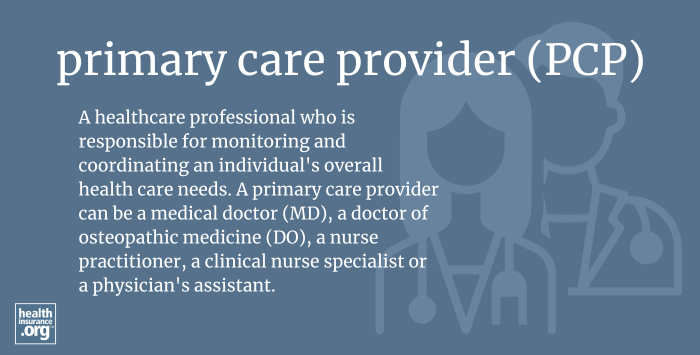
A primary care provider (PCP) plays a vital role in managing your overall health by serving as your main point of contact within the healthcare system. Acting much like a team quarterback, your PCP oversees your medical needs, provides preventive care, and guides you through treatment options. They also coordinate specialist visits and ensure your health records are up-to-date, helping to streamline your medical journey and improve health outcomes.
What Types of Professionals Can Be a Primary Care Provider?
A variety of qualified health professionals can serve as your primary care provider. This includes medical doctors (MDs), doctors of osteopathic medicine (DOs), nurse practitioners, clinical nurse specialists, and physician assistants. Each of these providers is trained to deliver comprehensive primary care services, tailored to meet the needs of their patients.
Among MDs, several specialties commonly serve as primary care providers, such as:
- Internal medicine physicians, who focus on adult health care
- Pediatricians, who specialize in children’s health
- Family medicine doctors, who provide care for patients of all ages
- OB/GYNs, who manage women’s reproductive health
- Internal medicine-pediatric doctors, who serve both adults and children
While OB/GYNs primarily handle reproductive health, the Affordable Care Act ensures that women can choose an OB/GYN as their primary care provider without needing a referral from another PCP. This flexibility allows women to access their reproductive health needs directly and conveniently.
Why Is Having a Primary Care Provider Important?
Having a designated PCP is often a requirement for certain health plans, especially Health Maintenance Organization (HMO) or Point of Service (POS) plans. These plans usually assign a PCP if you do not select one yourself, though you always retain the option to choose a different provider. A key benefit of having a PCP in these plans is that referrals from your provider are typically required to see specialists, ensuring coordinated and efficient care.
In contrast, Preferred Provider Organization (PPO) or Exclusive Provider Organization (EPO) plans generally do not mandate choosing a PCP. However, establishing one can still be advantageous. A PCP helps coordinate your visits to specialists, manages preventive screenings, and monitors your overall health status more effectively. This role becomes increasingly important as advances like artificial intelligence are transforming healthcare delivery, making coordinated care more vital than ever.
Interesting:
Additionally, modern approaches such as immersive therapy are opening new avenues for mental health treatment, emphasizing the importance of comprehensive health management. Having a trusted PCP ensures you stay informed about innovative therapies and can access the best options tailored to your needs.
The Evolving Role of Primary Care in Modern Healthcare
The role of primary care providers continues to evolve with technological advancements and innovative treatment modalities. For example, training medical professionals using virtual reality is becoming more common, helping future surgeons develop skills in a controlled, safe environment. Such developments highlight the importance of having a dedicated healthcare partner who stays current with the latest medical advancements.
Whether you’re managing chronic conditions, seeking preventive screenings, or exploring new mental health therapies, your PCP serves as a central figure in maintaining your health. They can help you navigate the complex landscape of healthcare services, ensuring that you receive timely, appropriate, and cost-effective care.
—
For more information on selecting the right health coverage or understanding how modern healthcare innovations impact patient care, consult official resources or speak with a licensed insurance agent.