


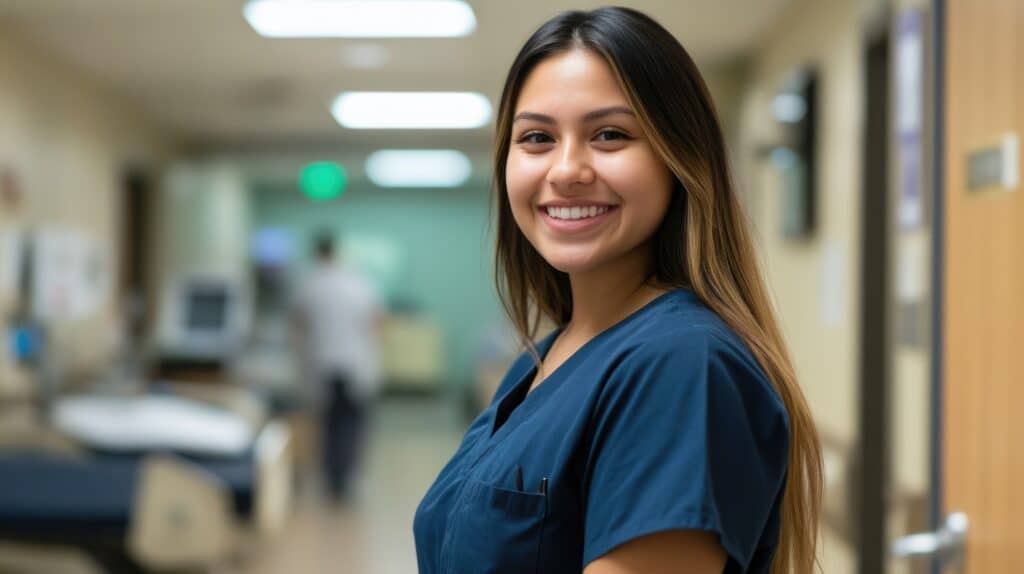
The healthcare sector is currently navigating significant challenges, including an aging population with increasingly complex health needs and rising costs that limit access to quality, personalized care. Simultaneously, a persistent shortage of nursing staff intensifies these issues, highlighting the crucial role of support positions such as Certified Nursing Assistants (CNAs). These dedicated professionals serve as vital links within the healthcare system, ensuring that patients receive compassionate, attentive care while assisting healthcare providers in delivering efficient services. If you’re considering a career that combines meaningful patient interaction with essential medical support, exploring the CNA role can be a rewarding choice.
What Is a Certified Nursing Assistant (CNA)?
A Certified Nursing Assistant, commonly known as a CNA, is a frontline healthcare worker responsible for providing basic patient care under the supervision of registered nurses and other medical staff. This role is fundamental in creating a comfortable and supportive environment for patients during their treatment and recovery processes. CNAs often work closely with vulnerable populations, such as the elderly, chronically ill, or disabled, making their contributions highly impactful and personally fulfilling. According to the Centers for Medicare and Medicaid Services, CNAs play a significant role in enhancing patient satisfaction and overall healthcare quality, which makes this pathway both a rewarding and essential career choice.
What Does a CNA Do?
As an entry-level position within the nursing field, the responsibilities of a CNA can vary depending on the care setting. Common duties include:
- Assisting with bathing, dressing, and personal hygiene of patients.
- Regularly measuring and recording vital signs like temperature, pulse, respiration, and blood pressure.
- Helping patients with basic grooming, such as brushing hair or teeth.
- Repositioning patients to prevent bedsores and to ensure comfort.
- Assisting with feeding and monitoring food and fluid intake.
- Caring for wounds and changing dressings.
- Supporting nurses during medical procedures and examinations.
In addition to direct patient care, CNAs often take on administrative tasks. These may involve answering phones, managing supply inventories, cleaning patient rooms, and updating patient records, depending on the facility’s needs. Their versatility makes them indispensable in various care environments.
Where Do CNAs Work?
Due to the high demand for qualified healthcare workers, CNAs find employment across diverse settings, including:
- Hospitals – The most prevalent workplace for CNAs, hospitals require these professionals to help meet the diverse needs of inpatients. Typically, hospital CNAs gain experience in other healthcare environments before qualifying for hospital roles.
- Nursing Homes and Assisted Living Centers – These facilities rely heavily on CNAs to provide routine personal care, such as bathing, dressing, and repositioning residents, due to the extensive care needs of their populations.
- Home Healthcare Agencies – CNAs working in home health assist patients in their residences, supporting independent living and improving quality of life. This role offers a unique opportunity for personalized, one-on-one care outside traditional medical settings.
CNA Career Outlook
The future for CNAs remains promising. The Bureau of Labor Statistics (BLS) projects a growth rate of approximately 4% from 2023 to 2033, translating into roughly 216,000 new job openings annually. This steady expansion reflects the increasing demand for healthcare services driven by demographic shifts and ongoing healthcare reforms. For those interested in entering the healthcare field, becoming a CNA represents a practical entry point with ample opportunities for growth and specialization. Further information about career advancement can be found at reputable sources such as Servreality’s innovations in healthcare.
How to Become a CNA?
Starting a career as a CNA involves completing a structured educational pathway, followed by obtaining certification. This process ensures that practitioners are equipped with the essential skills and knowledge to provide safe and effective patient care.
Education Requirements
According to the BLS, aspiring CNAs must complete a state-approved training program. These programs are typically offered at local hospitals, community colleges, or vocational schools and usually take between eight and twelve weeks to complete. The curriculum emphasizes practical skills, including patient handling, hygiene, and basic medical procedures, preparing students to deliver competent care across various healthcare environments. After completing the program, candidates must pass a competency exam to qualify for certification.
For more insights into healthcare innovation, you can explore how emerging technologies are transforming medical training here.
Certification – The ‘C’ in CNA
Certification requirements vary by state but generally involve passing a competency exam that includes both a written test and a practical skills assessment. The American Red Cross indicates that completing the approved training program allows candidates to schedule their exam through their state’s nurse aide registry. Once certified, CNAs are listed on this registry and can seek employment in various healthcare settings. Maintaining certification often requires ongoing education and skill refreshers, ensuring CNAs stay current with best practices and medical advancements.
Continuing Education
Many states require CNAs to participate in ongoing education to retain their certification, which helps them stay informed about new healthcare technologies and procedures. Even when not mandatory, professional development can enhance a CNA’s skill set and career prospects. Programs may include courses on advanced patient care techniques, new medical equipment, or emerging healthcare trends, helping CNAs adapt to an evolving industry. For a broader perspective on technological advances in healthcare, see how XR technology is bridging gaps in medical training.
Interesting:
Similar Jobs
The CNA role provides an accessible entry point into healthcare, but other related positions offer different scopes of practice and responsibilities. Exploring these options can help you find the best fit for your skills and career ambitions.
Medical Assistant vs. CNA
Medical assistants (MAs) support healthcare facilities by handling both clinical and administrative tasks. According to WebMD, MAs perform duties such as recording vital signs, assisting with examinations, and managing patient records. While both CNAs and MAs provide basic patient care, MAs often focus more on administrative work like scheduling appointments and billing. The training for MAs typically takes up to a year, compared to the roughly three months required for CNA certification, making the CNA pathway a quicker route into healthcare. To understand how technological innovations like artificial intelligence are transforming healthcare, consider the broader landscape of healthcare support roles.
LPN vs. CNA
Licensed Practical Nurses (LPNs) perform more advanced patient care tasks under the supervision of registered nurses. As outlined by Cleveland Clinic, LPNs can measure vital signs, administer basic medications, and provide more complex bedside care. Their educational programs usually span about two years, involving more in-depth training than CNAs. LPNs often develop closer relationships with patients and may take on supervisory roles in some settings.
CNA vs. RN
Registered Nurses (RNs) hold a higher level of licensure and responsibility, providing comprehensive patient assessments, developing care plans, and educating patients. According to the American Nurses Association, becoming an RN requires completing a degree such as an associate or bachelor’s in nursing, followed by passing the NCLEX-RN exam. RNs serve as central figures within healthcare teams, making critical decisions and coordinating care at a higher level. For those interested in advancing further, exploring options like pharmaceutical visualization from molecules to market can be helpful.
Other Related Roles
Additional careers closely allied with nursing include dental assistants, home health aides, veterinary assistants, and occupational or physical therapy assistants. These roles share similar foundational skills and offer diverse pathways into healthcare.
Embark on Your Nursing Career Today!
The demand for qualified nursing professionals continues to grow. Bryant & Stratton College offers a variety of programs to help you develop the skills necessary for this rewarding field. If starting as a CNA appeals to you, our non-degree Nurse Aide training programs are available in Virginia and Wisconsin. For quicker entry, consider our Practical Nursing Diploma, which prepares you for the LPN certification exam, or our Associate Degree in Nursing, designed to help you become a licensed registered nurse swiftly. We also provide bachelor’s-level programs, including RN to BSN tracks, in multiple states and online. Learn more about how to begin your journey in healthcare by requesting information on our nursing programs today.
Related News
It’s Never Too Late to Start Again: How Cinnamon Moon Found Her Calling in Nursing at 50
Discover how Bryant & Stratton College helped a dedicated student transition into nursing as a second career, illustrating that age is no barrier to entering the healthcare profession. Read more about her inspiring journey.
Careers in Medical Billing and Coding: Employment and Job Titles
Medical billing and coding professionals serve as essential connectors among providers, patients, and insurance companies, ensuring proper reimbursement and efficient administrative workflows. Their role is vital in the healthcare system’s backbone, with promising job growth projected over the coming years. To explore how emerging technological tools are shaping these careers, visit the evolution of pharmaceutical visualization.
Medical Billing and Coding Degrees: Here’s What It Takes
If you’re considering a career in medical coding or billing, the U.S. Bureau of Labor Statistics forecasts a 9% growth in this sector from 2023 to 2033. This pathway offers a stable and expanding opportunity for those interested in healthcare administration and data management.
—
Note: The information provided here is based on the latest available data and resources, and for comprehensive career guidance, it is recommended to consult official educational and licensing bodies.