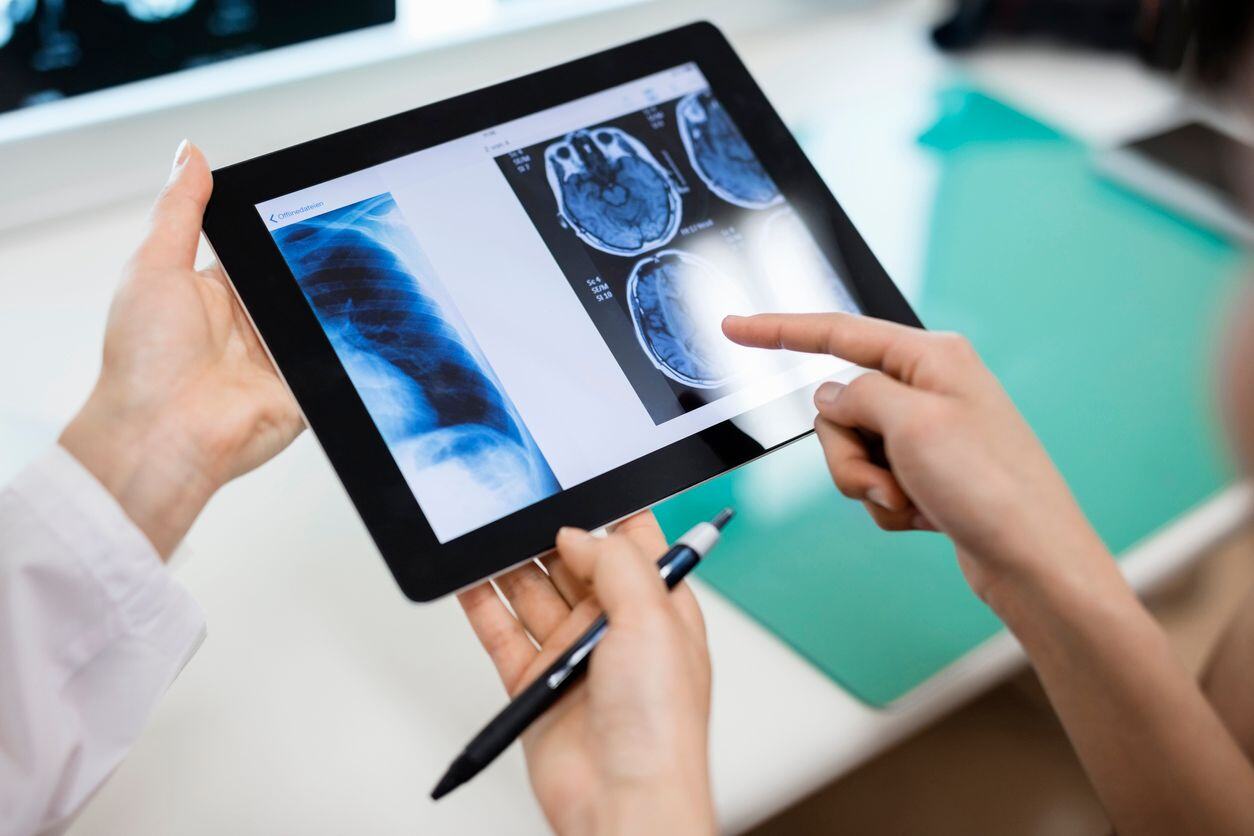
Healthcare technology continues to revolutionize medical imaging, making diagnostics more efficient and accessible. For professionals working in radiology or related fields, understanding how Picture Archiving and Communication Systems (PACS) function alongside Radiology Information Systems (RIS) is crucial. This knowledge not only enhances operational workflows but also improves patient outcomes. As technological advancements like artificial intelligence increasingly influence healthcare, grasping these systems’ roles becomes even more vital. Exploring how PACS and RIS collaborate can shed light on their combined benefits for medical institutions and patients alike.
What Is PACS?
A PACS, or Picture Archiving and Communication System, is a sophisticated digital platform designed to store, retrieve, and manage medical images and associated reports. Traditionally, radiology departments relied on physical film jackets to archive X-ray and imaging data, which posed challenges such as physical space requirements, risk of damage, and difficulties in sharing information. PACS replaces these outdated methods by digitizing image storage, enabling instant access and transfer of medical images across healthcare facilities. This transition not only streamlines workflows but also enhances the security and accessibility of sensitive patient data. To understand broader technological shifts in healthcare, exploring how AI is being utilized in health services offers valuable insights into future trends.
The Four Basic Components of PACS
A typical PACS architecture comprises four fundamental elements:
- Imaging Modalities: These are the devices, such as X-ray machines, MRI scanners, or ultrasound systems, responsible for capturing medical images. They serve as the starting point for digital storage.
- Secure Network Infrastructure: This component facilitates the safe transfer of images from acquisition points to storage servers, ensuring data confidentiality and integrity.
- Workstations: These are the computers used by radiologists and physicians to view, analyze, and interpret images with specialized software tools.
- Archiving Systems: A secure storage repository holds the images and related reports, making them accessible for future reference, consultation, or longitudinal studies.
Understanding these components highlights the seamless flow of data within modern radiology departments and underscores the importance of robust infrastructure in healthcare technology.
Interesting:
The Benefits of Combining PACS Software With RIS
Radiologists often work with both PACS and RIS to optimize workflow efficiency. While PACS specializes in storing and retrieving images, RIS manages patient data, appointment scheduling, and reporting. When integrated, these systems enable a more cohesive environment where imaging and patient information are synchronized. This integration allows hospitals to improve data security, streamline communication, and accelerate diagnosis processes. Such synergy is vital in emergency situations where quick access to imaging results can significantly impact patient care. For more on how technological integration shapes healthcare, refer to the impact of big data on healthcare.
Other Advantages
Beyond basic functionality, PACS offers numerous additional benefits:
- Enhanced Data Organization: Digital storage ensures that radiology reports and images are systematically archived, facilitating easy retrieval and reducing paperwork clutter.
- Advanced Visualization Tools: PACS provides manipulation tools such as zoom, rotate, and 3D reconstruction, enabling detailed examination of tissues, organs, and blood vessels. These capabilities support more accurate diagnoses.
- Cost Savings: Eliminating the need for physical films reduces expenses related to film, chemicals, printing, and storage. Cloud-based systems further decrease infrastructure costs by providing remote access via digital devices.
- Improved Patient Care: High-quality images contribute to more precise diagnoses, potentially reducing the need for additional imaging. Shorter examination times and lower radiation exposure are additional patient benefits.
- Comprehensive Data Management: PACS allows storage of both 2D and 3D images, supports chronological tracking of a patient’s radiological history, and minimizes redundancy by reducing duplicate images.
- Remote Access and Workflow Efficiency: Physicians working remotely can access images instantly, facilitating telemedicine and teleradiology. Surgeons can review images beforehand, speeding up decision-making.
- Hospital and Clinical Benefits: Enhanced communication among staff, better administrative management, and higher staff morale contribute to overall improved healthcare delivery. PACS is increasingly adopted across fields such as cardiology and oncology, emphasizing its versatility.
The Bottom Line
The adoption of PACS is essential for modern healthcare providers. It offers a comprehensive platform that combines hardware and software to securely store, manage, and distribute medical images efficiently. The integration with RIS enhances this capability, ensuring seamless workflows among radiologists, clinicians, and administrative staff. As technology continues to evolve, understanding these systems’ roles becomes vital for optimizing patient care and operational efficiency. To deepen your knowledge of how these systems interoperate and adhere to industry standards, consider exploring the ethics and utility of AI in patient care. For a broader perspective on technological trends shaping healthcare, reviewing the role of AI in healthcare innovation provides valuable context.