


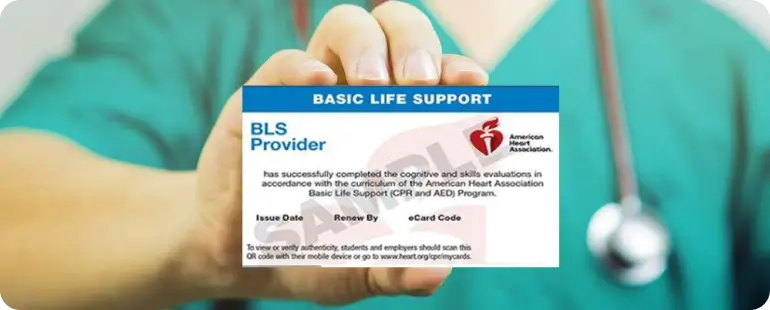
A solid grasp of Basic Life Support (BLS) certification is vital for healthcare professionals and emergency responders. This credential signifies that an individual has received comprehensive training in critical life-saving skills such as CPR, Automated External Defibrillator (AED) use, and airway management. As medical technology advances and emergency protocols evolve, staying certified ensures providers are prepared to respond effectively in high-stakes situations. This guide offers detailed insights into what BLS certification entails, its importance, and the steps to obtain and maintain it, empowering healthcare workers and first responders alike.
Quick Facts
- BLS certification is tailored for healthcare workers and emergency responders, equipping them with advanced skills like high-quality CPR, airway management, and clinical decision-making.
- To achieve certification, individuals must complete a recognized course, study core content, and pass both a written exam and a practical skills assessment.
- Certification is valid for two years, after which recertification is required to keep skills current with evolving emergency guidelines.
What is Basic Life Support (BLS) Certification?
BLS certification is a professional credential that confirms your ability to respond swiftly and effectively to life-threatening emergencies. It encompasses training in critical skills such as performing high-quality CPR on adults, children, and infants, operating AEDs, and managing airways during respiratory distress. This certification emphasizes not only technical proficiency but also critical thinking, teamwork, and communication during emergencies. Its comprehensive nature prepares healthcare providers and first responders to act confidently in scenarios like cardiac arrest, choking, or respiratory failure, ensuring the best possible patient outcomes.
In today’s healthcare landscape, where rapid intervention saves lives, BLS training incorporates the latest guidelines, including updates on protocols for infectious disease transmission and new resuscitation techniques. Staying current through ongoing education and recertification is essential, especially as innovative treatment modalities like immersive therapy are redefining mental health approaches see more about mental health innovations.
BLS vs CPR Certification
While both BLS and CPR certifications focus on life-saving techniques, they serve different audiences and purposes. BLS certification is specifically designed for healthcare professionals, paramedics, and emergency responders who need a comprehensive skill set that includes airway management, team coordination, and advanced resuscitation procedures. In contrast, CPR certification typically targets the general public, focusing on basic chest compressions and rescue breathing.
BLS training extends beyond basic CPR by integrating advanced skills such as airway obstruction management, ventilation techniques, and problem-solving during complex emergencies. It also emphasizes teamwork and effective communication, which are critical in clinical settings. Given these distinctions, BLS certification is often a prerequisite for advanced certifications such as ACLS (Advanced Cardiovascular Life Support). Its holistic approach ensures providers are prepared for diverse scenarios, from hospital emergencies to community crises.
Who Needs BLS Certification?
BLS certification is essential for a wide range of professionals involved in patient care and emergency response. These include:
- Physicians and surgeons
- Registered nurses and nurse practitioners
- Emergency Medical Technicians (EMTs) and paramedics
- Firefighters and police officers
- Medical and nursing students
- Childcare providers working in healthcare settings
- Public safety personnel involved in rescue operations
Having this certification ensures that first responders can act swiftly and confidently during critical moments, whether responding to a cardiac arrest or managing airway issues. It also enhances overall safety and preparedness in public safety roles, where rapid intervention can be lifesaving. For those involved in patient transport or community health outreach, BLS training is a valuable asset, especially as emergency care protocols continue to evolve, incorporating innovations like remote monitoring and AI-driven response systems see how artificial intelligence is reducing operational costs in healthcare.
How to Obtain BLS Certification
Attaining BLS certification involves a structured process designed to ensure competence and confidence in emergency response skills. The journey begins with selecting an accredited course, followed by comprehensive study, practical training, and successful completion of examinations.
Finding an Accredited Course
Choosing a reputable provider is crucial. Organizations such as the American Heart Association (AHA) and the American Red Cross offer courses that adhere to the latest guidelines. These courses are available in various formats, including in-person classes and online modules, making them accessible regardless of your schedule. Accreditation signifies that the training meets high-quality standards, enabling you to earn a certification recognized by employers and licensing bodies. For a broader perspective on innovative therapeutic approaches, explore resources on immersive therapy.
Enrolling and Studying Course Materials
Once enrolled, you will gain access to detailed course materials, often supplemented with videos, interactive modules, and practice scenarios. Many programs allow self-paced learning, especially online, which offers flexibility for busy professionals. Hands-on practice sessions are integral to developing real-world skills, ensuring you can perform CPR, operate AEDs, and manage airways effectively during emergencies. Consistent review and practice reinforce your knowledge and prepare you for the final assessment.
BLS Exam
The certification exam comprises two components: a written test and a practical skills demonstration. The written exam assesses your understanding of emergency protocols, while the skills test evaluates your ability to perform CPR, use an AED correctly, and manage airway obstructions. Utilizing online practice exams and study guides can boost confidence and readiness. Successful completion of both parts results in a certification card that verifies your competency and is often required for employment or licensing purposes.
BLS Renewal and Recertification
Since BLS certification expires after two years, ongoing recertification is vital to maintain your skills and stay aligned with current standards. Recertification courses are typically shorter but focus on updating protocols, refreshing core skills, and incorporating recent advancements such as COVID-19 safety measures. Continuous education ensures you are prepared to provide optimal emergency care, which can significantly impact patient survival rates. Regular renewal also reflects your commitment to professional development and adherence to best practices in emergency response.
Benefits of Being BLS Certified
Holding a valid BLS certification offers numerous professional and personal advantages. The training enhances your ability to respond effectively during emergencies, making you a vital asset in any healthcare or community setting. It also broadens career prospects, demonstrating your commitment to patient safety and preparedness.
Interesting:
Improved Emergency Response Capabilities
BLS training emphasizes not only technical skills like chest compressions and rescue breaths but also critical thinking, teamwork, and communication. These competencies are essential in managing cardiac arrest, choking incidents, and drowning emergencies. Practical exercises and simulations prepare you to act decisively in real-life situations, often making the difference between life and death.
Enhanced Career Opportunities
Many healthcare roles require BLS certification as a baseline credential. Whether working as a nurse, physical therapist, or emergency responder, having this qualification distinguishes you from peers and can open doors to advanced roles or specialized training. In a competitive job market, BLS certification signals your readiness to handle high-pressure situations and your dedication to quality patient care.
Broader Scope of Training
Beyond basic CPR, BLS courses cover advanced techniques such as AED operation and emergency response strategies, which are critical in hospital, clinic, and community environments. For example, healthcare providers often encounter situations where rapid AED deployment is necessary. The comprehensive nature of BLS training ensures that certified individuals can deliver prompt, effective interventions that improve patient outcomes.
Flexible Certification Options
Flexibility in BLS training accommodates diverse schedules and learning preferences. Online courses offer self-paced, interactive modules accessible from any device, making it easier for busy professionals to fit training into their routines. Many providers, including the American Red Cross, offer blended learning models combining online coursework with in-person skills practice, ensuring both theoretical understanding and practical proficiency. This adaptable approach helps maintain certification compliance while respecting individual learning styles.
Practical Applications of BLS Skills
Equipped with BLS skills, individuals can confidently respond to medical emergencies, improving immediate patient care and survival chances. Whether in hospitals, community centers, or public spaces, being certified ensures prompt action—be it performing CPR, operating an AED, or managing airway obstructions. The emphasis on teamwork and communication during training fosters collaboration among responders, which is crucial during complex emergencies. Developing these critical thinking and technical abilities can dramatically influence patient outcomes and save lives.
Summary
BLS certification is an indispensable credential for anyone involved in patient care or emergency response. It provides a comprehensive skill set, from performing advanced CPR to managing airways and coordinating responses in high-pressure situations. Maintaining current certification ensures readiness to act decisively, adapt to new protocols, and uphold the highest standards of emergency care. This certification not only enhances individual competence but also strengthens the overall safety and resilience of healthcare systems and communities.
By understanding the importance of BLS and staying certified, healthcare providers and first responders can make a meaningful difference when it matters most. For more insights into innovative medical technologies, explore how artificial intelligence is helping reduce operational costs in healthcare.
FAQs
Who is required to have BLS certification?
BLS certification is mandatory for healthcare professionals, emergency responders, and public safety personnel who are expected to respond to life-threatening situations and provide emergency care.
How does BLS differ from basic CPR certification?
BLS is tailored for medical providers and includes comprehensive skills such as airway management, teamwork, and advanced resuscitation techniques, whereas CPR certification is primarily aimed at the general public, focusing on foundational rescue skills.
How can I find an approved BLS course?
Enroll in programs offered by reputable organizations such as the American Heart Association or the American Red Cross, which provide both online and in-person accredited courses.
What is the process for renewing my BLS certification?
Recertify every two years by completing a recertification course, which may be shorter and focuses on updating protocols and refreshing core skills.
What are the advantages of obtaining BLS certification?
It enhances your emergency response capabilities, broadens career prospects, and ensures you are prepared to deliver high-quality care during critical moments, ultimately saving lives.