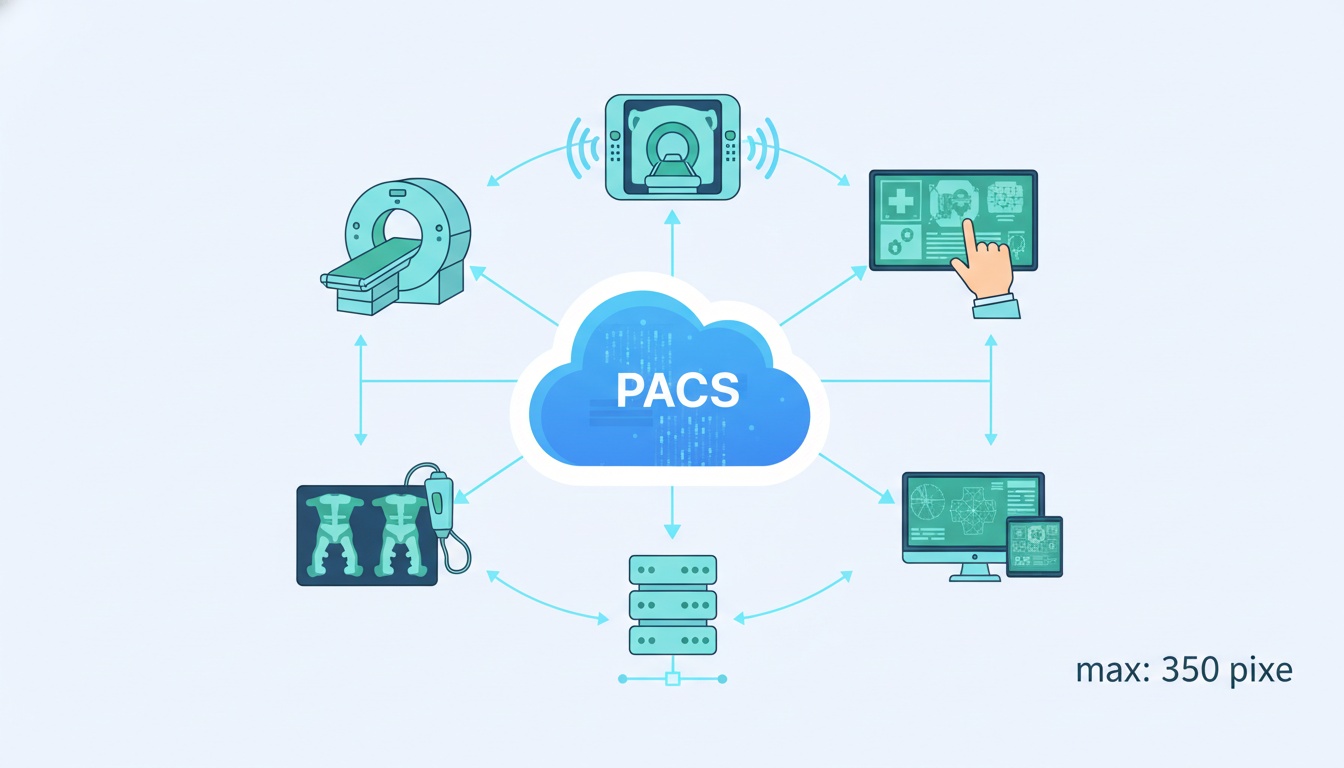
In today’s healthcare landscape, the ability to quickly access, manage, and share medical imaging data is crucial for accurate diagnoses and effective patient care. Picture Archiving and Communication Systems (PACS) have revolutionized how medical facilities handle imaging, replacing traditional film-based methods with advanced digital solutions that enhance efficiency, collaboration, and data security. As technology continues to evolve, PACS is becoming even more integral to modern medicine, incorporating features like artificial intelligence and telemedicine to further improve health outcomes worldwide.
This guide delves into the fundamentals of PACS, exploring its history, core components, and the numerous benefits it offers. We will also examine how seamless integration with other healthcare systems enhances clinical workflows and patient care. Furthermore, the importance of robust security protocols and compliance with industry regulations will be discussed, ensuring that sensitive medical data remains protected. Finally, we will look ahead to emerging trends, including AI innovations and remote diagnostics, which promise to shape the future of medical imaging technology.
Interesting:
Understanding the evolving role of PACS is essential for healthcare providers aiming to stay at the forefront of medical advancements. Whether you’re developing healthcare applications or exploring new technological frontiers like extended reality, the insights provided here will help illuminate the transformative power of PACS in healthcare modernization. Discover how innovative solutions like cloud PACS and online DICOM viewers are bridging gaps in medical imaging access and efficiency. For those interested in the strategic aspects of healthcare tech development, exploring key considerations in healthcare app creation can provide valuable guidance.