


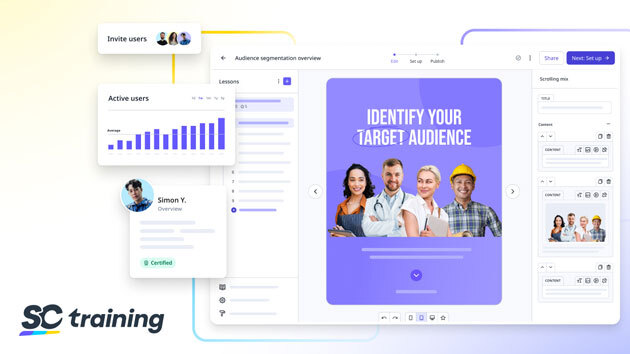
Providing excellent patient care extends beyond medical expertise; it heavily relies on effective communication, empathy, and adherence to privacy regulations. For healthcare professionals seeking to improve their customer service capabilities without incurring costs, numerous free courses are available that cover a broad spectrum of essential topics. These courses are designed to fit into busy schedules, allowing your team to develop vital skills such as handling complaints, understanding informed consent, maintaining data security, and delivering compassionate care. This comprehensive guide introduces ten of the best free training programs to elevate your organization’s service standards.
—
1. Positive Scripting in Healthcare Communication
Delivering difficult news about a patient’s health is among the most sensitive tasks healthcare providers face. Approaching these conversations with compassion and clarity is crucial to maintaining trust and providing support. The course on positive scripting offers practical strategies for sharing unwelcome medical information effectively, emphasizing empathy and avoiding common pitfalls. It focuses on how to communicate severe diagnoses or even death in a manner that is both honest and compassionate.
This course is ideal for busy professionals—comprising physicians, nurses, and other medical staff—since it features a single, focused lesson that can be completed in just a few minutes. It can be easily integrated into daily routines, such as during coffee breaks or while commuting.
You can learn more about the differences between initial and renewal training for life support certifications by exploring this guide.
- Cost: Free (up to 10 users)
- Duration: 5 to 10 minutes per lesson
- Certificate: Yes
Explore this free course to improve your communication skills.
—
2. HIPAA Compliance and Data Privacy
Ensuring patient privacy and safeguarding sensitive health information are fundamental responsibilities of healthcare providers. HIPAA compliance training helps organizations understand the importance of protecting protected health information (PHI) and teaches best practices for dealing with potential breaches. The course developed in partnership with Improvement Sciences highlights key regulations, common threats such as cyberattacks, and practical steps to prevent privacy violations.
Utilizing features like gamification and data analytics, this microlearning course is accessible via mobile devices, making it suitable for professionals on the go. It ensures that staff are well-versed in HIPAA requirements, reducing legal risks and enhancing patient trust. For those interested in the full scope of CPR certification, including provider-level courses, visit this resource.
- Cost: Free (up to 10 users)
- Duration: 5 to 10 minutes per lesson
- Certificate: Yes
Learn more about maintaining healthcare data security.
—
3. Patient-Centered Customer Service Skills
Providing compassionate patient care involves effective communication, active listening, and understanding non-verbal cues. The Patient Customer Service Training course by High Speed Training offers a comprehensive overview of these skills, focusing on how to foster a caring environment. Topics include improving listening abilities, body language awareness, and communication techniques aligned with NHS standards and best practices in compassion.
While not free, this course offers flexible, self-paced learning with full audio support and unlimited access. Completing the program and passing the assessment grants a certificate, making it valuable for healthcare workers aiming to enhance their bedside manner. For more in-depth patient interaction training, see this guide.
- Cost: 25 GBP + VAT
- Duration: 2 hours
- Certificate: Yes
Enhance your patient engagement strategies.
—
4. Healthcare Data Security and Cybersecurity Measures
The protection of digital health records is increasingly critical amid rising cyber threats. Offered via Coursera by Johns Hopkins University, this course covers the fundamentals of healthcare data sources, security challenges, and modern protection techniques. Topics include encryption, cloud computing, and strategies to defend against malware, phishing, and other cyberattacks.
Designed primarily for IT support staff in healthcare settings, the course provides a thorough understanding of safeguarding sensitive information. It is self-paced and takes approximately six hours to complete, suitable for professionals seeking a deeper understanding of healthcare cybersecurity. For insights into how technology is transforming patient care, visit this resource.
- Cost: Free
- Duration: 6 hours
- Certificate: Yes
Secure your healthcare data effectively.
—
5. Cultivating Empathy in Patient Interactions
Empathy is a cornerstone of quality healthcare, fostering trust and improving health outcomes. The free course on operating with empathy by SC Training emphasizes the importance of words, tone, and body language in conveying compassion. It explores habits of empathetic individuals, including curiosity, overcoming prejudices, and active listening. A short video distinguishes empathy from sympathy, helping clinicians understand how to connect genuinely with patients.
This flexible, mobile-accessible course can be customized to your organization’s needs and integrated into existing training programs. Developing empathetic communication can significantly enhance patient satisfaction and adherence to treatment plans. For additional insights into patient-centered care, see this resource.
- Cost: Free (up to 10 users)
- Duration: 5 to 10 minutes per lesson
- Certificate: Yes
Foster compassionate care through effective communication.
—
6. Understanding Informed Consent and Patient Rights
Informed consent is a legal and ethical obligation that ensures patients understand and agree to the proposed treatments. The course from the Global Health Training Centre covers the significance of informed consent, regulatory guidelines, and how to prevent misinformation or coercion. It emphasizes the importance of transparency and patient autonomy in healthcare.
Interesting:
- What does customer service mean to you in healthcare
- Elevating healthcare customer service essential skills and training for professionals
- Mastering customer service skills in healthcare
- Mastering exceptional healthcare customer service training for better patient experience
- How to effectively read and understand your united healthcare insurance card
Participants can complete a final quiz, and those achieving a score of 80% or higher receive a certificate. This training is essential for clinicians to uphold legal standards and enhance patient trust. For further guidance on legal and ethical standards, visit this detailed resource.
- Cost: Free
- Duration: 30 to 40 minutes
- Certificate: Yes
Ensure your team’s compliance and ethical practice.
—
7. Managing Pediatric Patients with Care and Confidence
Treating children requires specialized skills and approaches. The edX course on handling children in healthcare settings provides insights into developmental stages, communication challenges, and behavioral management techniques. The training focuses on building rapport, demonstrating kindness, and effectively communicating with young patients.
Accessible in English and Spanish, this course allows healthcare providers to prepare for pediatric interactions confidently. It also offers practical tips for managing clinical scenarios involving children, making it a valuable addition to any pediatric or family healthcare team. For more on patient-centered approaches, see this resource.
- Cost: Free
- Duration: 1 to 2 hours/week over 4 weeks
- Certificate: Optional for a fee
Improve pediatric patient experiences.
—
8. Handling Complaints and Service Recovery
Effective complaint management is vital for maintaining patient satisfaction and improving healthcare services. The Skills Platform course, developed by The Mandatory Training Group, covers principles of complaint handling, steps for addressing issues, and strategies for service recovery. It highlights understanding patient grievances, responding empathetically, and using feedback to enhance service quality.
This CPD-accredited course enables learners to download certificates and revisit content as needed. It is suitable for all staff involved in patient interaction, reinforcing the importance of listening and responding appropriately. For additional techniques in customer feedback management, visit this resource.
- Cost: 9 GBP (including VAT)
- Duration: 1 hour
- Certificate: Yes
Master complaint resolution skills.
—
9. Professionalism and Customer Service Excellence
Providing high-quality service is essential for positive patient experiences. The CEU Academy’s course on professionalism covers key concepts such as interpersonal skills, telephone etiquette, and managing upset patients. It is tailored for healthcare workers like nurses, chaplains, and administrators seeking to refine their service delivery.
Participants undergo an hour-long training followed by an assessment, with successful learners receiving an online certificate. Building professionalism enhances trust and fosters a respectful healthcare environment. To explore similar courses, see this resource.
- Cost: $3–$13 depending on role
- Duration: 1 hour
- Certificate: Yes
Elevate your team’s professionalism.
—
10. Effective Complaint Handling Techniques
Addressing patient complaints with empathy and efficiency is critical in healthcare settings. SC Training’s course on handling complaints provides practical methods for resolving issues, managing difficult conversations, and turning feedback into service improvements. Although not specific to clinical practice, this training benefits all staff involved in patient relations.
The course is brief, flexible, and customizable, allowing organizations to tailor content to their protocols. It emphasizes the importance of listening, understanding, and responding constructively to patient concerns. For more on the impact of telemedicine in healthcare, visit this resource.
- Cost: Free (up to 10 users)
- Duration: 5 to 10 minutes per lesson
- Certificate: Yes
Enhance your complaint management abilities.
—
Enhance Your Healthcare Service Quality Today
Providing outstanding patient care requires ongoing training and development. These free courses help healthcare professionals strengthen their communication, empathy, and compliance skills, ensuring they deliver respectful, informed, and compassionate service. Equip your team with the knowledge needed to improve patient satisfaction, streamline operations, and uphold the highest standards of healthcare delivery.
Explore more case studies, see how organizations are transforming their patient interactions, or book a demo to discover how tailored training solutions can benefit your facility. Access these courses anytime, anywhere—on any device—making continuous professional development easier than ever.
> Sign up for free or schedule a personalized tour with our experts today.
Privacy | Terms & Conditions | Security