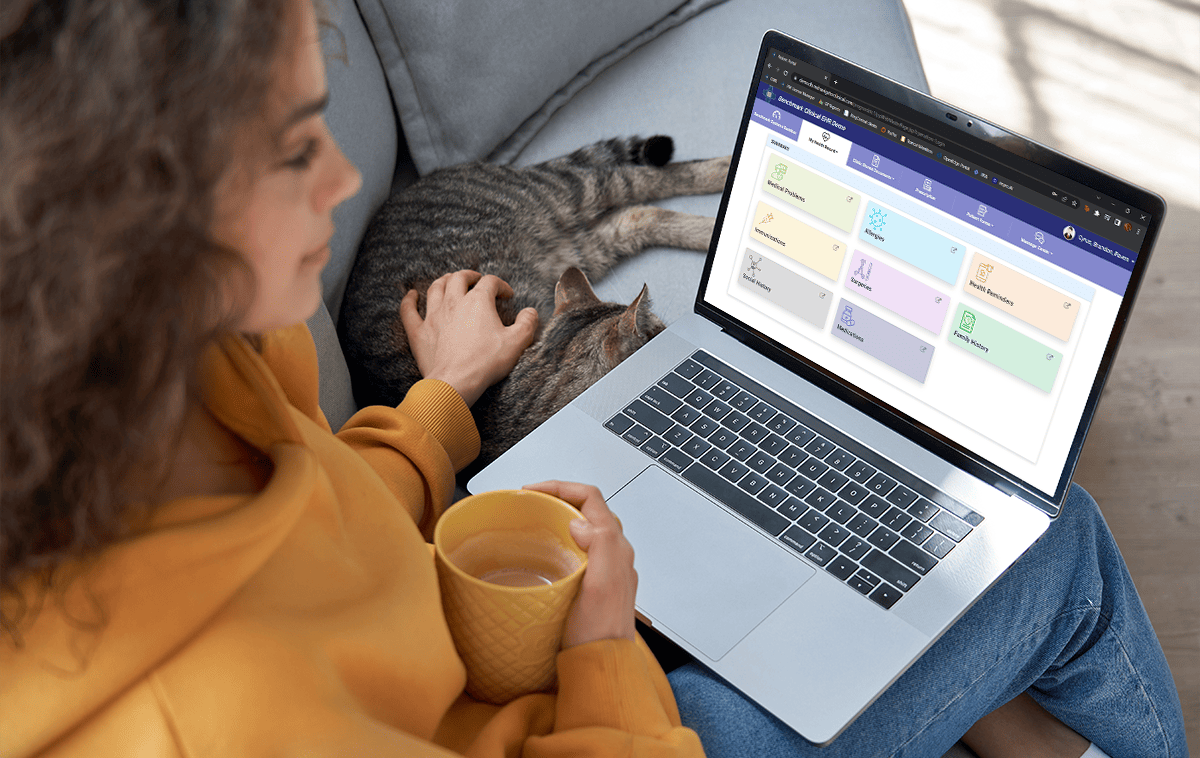
Patient portals are transforming how healthcare providers and patients communicate and manage health information. As digital tools become more embedded in medical practices, understanding their benefits and challenges is essential for optimizing patient care. These secure online platforms not only foster greater engagement but also streamline administrative workflows, ultimately enhancing overall health outcomes. However, integrating patient portals requires careful consideration of potential risks, technological barriers, and privacy concerns. This article explores the advantages and disadvantages of patient portals, offering insights into how practices can effectively leverage these systems.
What Are Patient Portals?
A patient portal is a secure, web-based platform that grants patients access to their personal health data and facilitates direct communication with healthcare providers. Accessible through computers or mobile devices, these portals are designed to empower individuals to take an active role in their health management. Patients can view medical records, test results, immunization history, and medication lists, as well as schedule appointments, request prescription refills, and send secure messages to their care teams.
Beyond patient convenience, portals serve as valuable tools for healthcare providers by simplifying administrative activities. Patients can complete forms, update personal information, and verify insurance details through the portal—reducing paperwork, minimizing errors, and saving time during in-person visits. These features not only enhance patient engagement but also improve data accuracy, which is vital for effective care delivery. For more on how innovative technology is shaping medical practices, see the role of AI in healthcare.
Advantages of Patient Portals
The widespread adoption of patient portals stems from their numerous benefits, both for patients and healthcare providers. Their ability to facilitate direct interaction with health information and streamline clinical workflows makes them valuable additions to modern practices.
- Convenient Access to Medical Data: Patients can review their test results, medication histories, and medical records anytime and from anywhere. This immediate access reduces the need for phone calls or office visits to obtain updates, saving time and effort for everyone involved.
- Enhanced Communication: Secure messaging features allow patients to ask questions or clarify concerns without scheduling in-person appointments. Healthcare providers can respond at their convenience, which increases flexibility and reduces delays. Some portals even support self-scheduling capabilities, making appointment management more efficient. For example, integrating virtual appointment booking can significantly improve patient convenience, especially in busy practices.
- Streamlined Management of Personal Health Information: Patients can update their demographic data and medical histories directly through the portal. Many systems automatically feed this data into electronic health records (EHRs), ensuring that providers have the most current information. This reduces administrative burdens and minimizes errors, ultimately leading to more accurate diagnoses and treatment plans.
- Increased Patient Engagement and Participation: Access to health records and lab results encourages patients to take an active role in their health. Monitoring progress, setting health goals, and reviewing educational resources foster a sense of ownership and responsibility. When patients are more engaged, adherence to treatments improves, leading to better health outcomes.
- Improved Health Monitoring: When combined with remote monitoring devices, portals enable patients to upload vital signs and other health metrics for review by their care teams. This real-time data sharing supports proactive management, enhances health literacy, and boosts patient satisfaction. For instance, virtual reality applications are increasingly used to support physical therapy and rehabilitation, further empowering patients outside clinical settings. Learn more about virtual reality in medicine perspectives and features.
Disadvantages of Patient Portals
While the benefits are significant, implementing patient portals also introduces certain risks and challenges that healthcare organizations must address.
- Limited Access for Non-Tech-Savvy Patients: Not all patients have reliable internet access or feel comfortable navigating digital platforms. Age, socioeconomic status, and technological literacy can create disparities in portal usage. To ensure equitable care, practices should provide alternative communication methods, such as phone calls or in-person assistance, for those less comfortable with technology.
- Information Overload: Patients may feel overwhelmed by the volume of data available through portals. Without proper guidance, they might struggle to interpret medical results or understand complex health information. Incorporating clear summaries, educational resources, and prompt follow-up can mitigate confusion and foster better understanding.
- Security and Privacy Concerns: Patient portals contain sensitive health information, making them attractive targets for cyberattacks. Without robust security measures, such as encryption and multi-factor authentication, data breaches could compromise patient confidentiality. Healthcare providers must prioritize security to maintain trust and comply with regulations like HIPAA.
- Challenges in Adoption and Engagement: Not all patients are aware of how to register or see the value in using portals. Resistance may stem from unfamiliarity or skepticism about digital tools. Educating patients about portal advantages and providing personalized support can improve adoption rates. Demonstrating how portals can lead to more efficient, personalized care encourages wider use.
At Benchmark Solutions, safeguarding patient data is a top priority. Our systems employ advanced encryption, strict access controls, and continuous support to ensure that portal usage remains secure and compliant. This commitment helps practices build trust with their patients and protect sensitive information.
Building the Ideal Patient Portal
Benchmark Solutions offers customizable, user-friendly patient care management systems that integrate seamlessly with existing healthcare workflows. Our platforms, including Benchmark EHR and Benchmark PM, deliver intuitive interfaces designed to foster collaboration between patients and providers. These systems automate data sharing—from portals to billing and medical records—ensuring everyone stays informed and aligned.
By leveraging such interoperable solutions, healthcare practices can improve efficiency and patient satisfaction simultaneously. If your organization is ready to modernize its approach to patient engagement, contact us for a free consultation. Our team of health management experts can help tailor solutions that meet your specific needs.
Interesting:
For further insights into innovative health technologies, consider exploring how virtual reality is shaping medical practice.
—
Contact us today to discover how our tailored healthcare management solutions can transform your practice.
Email: [javascript protected email address]
Phone: (800) 779-0902
Address: 1467 Crossings Centre Dr., Forest, VA 24551
Explore our solutions:
- Revenue Cycle Management Solutions
- Benchmark PM
- Benchmark EHR
- Benchmark ProTech
Learn more about the importance of secure patient portals and how they can enhance your practice’s efficiency and patient care.