


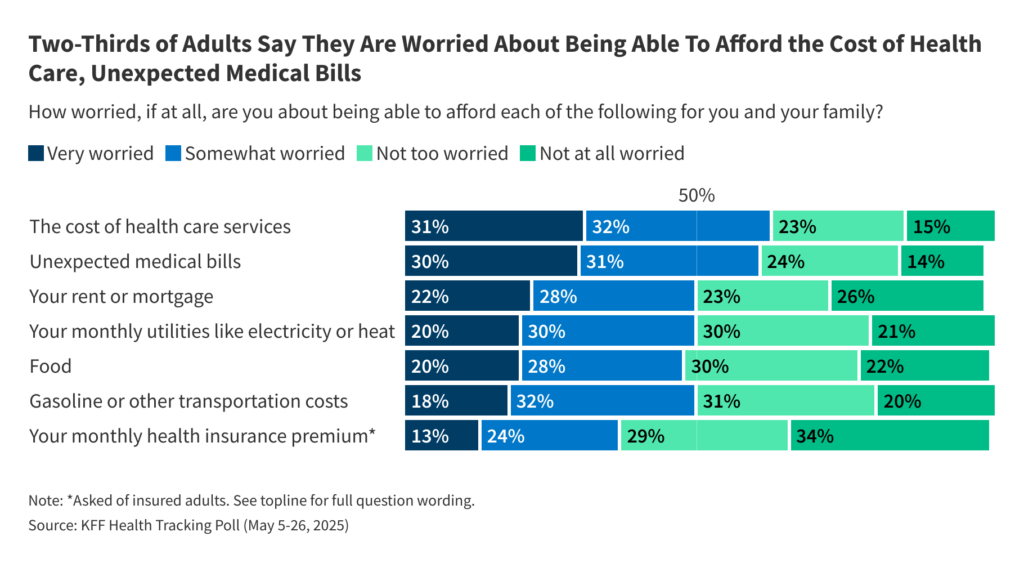
The rising costs of healthcare continue to be a significant financial burden for many Americans, affecting decisions about insurance coverage and the ability to seek necessary medical services. Despite advancements in medical technology and policy efforts, a substantial portion of the population still faces hurdles when it comes to paying for healthcare, leading to delayed care, unfilled prescriptions, and mounting debt. This ongoing challenge underscores the need for comprehensive solutions to make healthcare more accessible and affordable for all.
Difficulty Affording Medical Expenses
A large number of U.S. adults encounter difficulties in managing healthcare costs, with lower-income and uninsured individuals bearing the brunt. Nearly half (44%) of adults find it very or somewhat hard to afford their medical expenses. The problem is especially pronounced among uninsured adults under 65, where 82% report trouble paying for care, compared to 42% of insured adults. Racial and ethnic disparities are evident, with over half (55%) of Hispanic adults and nearly half (49%) of Black adults experiencing challenges, versus about four in ten White adults (39%). Households earning less than $40,000 annually are significantly more likely to report financial strain related to healthcare expenses. These figures highlight the persistent inequality in healthcare affordability, which continues to hinder access for vulnerable populations. For more on the disparities in health costs, visit KFF’s health tracking resources.
When considering actual payment issues, approximately 28% of adults say they or someone in their household faced problems paying for healthcare in the past year. Young adults aged 18-29 and Hispanic populations are particularly affected, with 40% and 41% respectively reporting difficulties. Uninsured individuals under 65 are especially vulnerable, with 59% indicating they had trouble paying for healthcare—more than double the rate among insured adults. These financial struggles often lead to postponing or skipping necessary medical services, which can have serious health consequences.
Delaying or Skipping Needed Care
The financial burden prompts many to delay or forego necessary health services. About 36% of adults report skipping or postponing care in the last year due to costs. Women are slightly more likely than men to do so (38% vs. 32%), reflecting ongoing gender disparities in healthcare access. Older adults, particularly those over 65 who typically have Medicare, are less likely to avoid care because of cost, but younger populations remain at risk. Notably, three-quarters of uninsured adults have skipped or delayed care due to financial reasons.
Skipping or delaying care can result in worsened health outcomes. Nearly one in five adults (18%) say their health deteriorated because they did not receive timely medical attention. The impact is more severe among uninsured individuals under 65, where 42% report a decline in health from postponed care, compared to only 20% of insured adults. The consequences of deferred care underscore the importance of reducing financial barriers. For insights into innovative health visualization techniques, explore this resource.
Prescription Medication Costs
The high expense of prescription drugs forces many to alter their medication routines. About 21% of adults have not filled a prescription due to cost concerns, and 23% have opted for over-the-counter alternatives instead. Additionally, 15% have cut pills in half or skipped doses, risking their health to save money. Overall, roughly one-third of the population—33%—have taken at least one cost-saving measure related to medications in the past year.
Women and individuals with lower incomes are more likely to take such measures, with 39% and 41%, respectively, reporting cost-related adjustments. Among racial groups, Hispanic adults are disproportionately affected, with 46% reporting medication-related cost-cutting behaviors. Those managing chronic health conditions face even greater challenges, as insured individuals with ongoing health needs are twice as likely as those without to delay or skip prescriptions due to expense. This highlights the ongoing financial strain on populations requiring regular medication. For further insights into health technology applications, see this overview.
Interesting:
Ratings of Health Insurance Affordability
While health insurance offers some financial protection, many insured Americans still find coverage costly. Most rate their insurance positively regarding out-of-pocket expenses; however, a significant minority view their coverage as only fair or poor. About 61% feel good about their prescription costs, 53% about costs to see a doctor, and 54% about their monthly premiums. Yet, approximately 30% or more rate these aspects as less satisfactory, often depending on the type of coverage.
Those with employer-sponsored insurance or Marketplace plans tend to rate their coverage less favorably compared to Medicare or Medicaid recipients. For example, about 25% of Medicare enrollees give negative ratings for monthly premiums and prescription costs, while Medicaid beneficiaries generally report better affordability due to minimal or no premiums and nominal copays. These perceptions reflect ongoing challenges in making insurance truly affordable for all. To understand more about the evolving landscape of health coverage, visit this detailed report.
The Burden of Medical Debt
Medical debt remains a widespread problem. According to a 2022 analysis, 41% of U.S. adults carry some form of debt related to medical or dental bills. This debt can originate from unpaid bills, loans, or credit card charges used to cover healthcare expenses. Lower-income groups, uninsured individuals, and racial minorities are disproportionately affected. Many adults struggle to pay off these bills, which can lead to ongoing financial instability and limit access to future care.
Medical debt can also influence healthcare decisions, with half of adults experiencing debt indicating that cost has prevented them from obtaining recommended medical tests or treatments. The cycle of debt and delayed care exacerbates health disparities, emphasizing the need for policies that address the root causes of healthcare-related financial hardship. For more on the broader implications of health-related financial burdens, see this investigative report.
Concerns About Long-Term Care and Future Costs
Long-term care expenses are another significant concern, especially for older adults. Nearly 60% of those aged 65 and over worry about affording nursing home or assisted living costs. Similarly, a large majority of individuals aged 50-64 express anxiety about paying for support services, including paid caregivers and nursing assistance. These worries reflect the high costs associated with aging and chronic conditions, and they highlight the importance of planning and policy efforts to improve affordability in long-term care. Additional details on the affordability of these services can be found in this comprehensive survey.
Overall Outlook
The data underscores how health care costs continue to impact Americans’ financial stability and health. From difficulties in paying for basic services to the strain of medical debt, the challenges are widespread and persistent. Addressing these issues requires concerted efforts to reduce costs, improve insurance coverage, and develop innovative health technologies that make care more accessible and affordable for everyone.