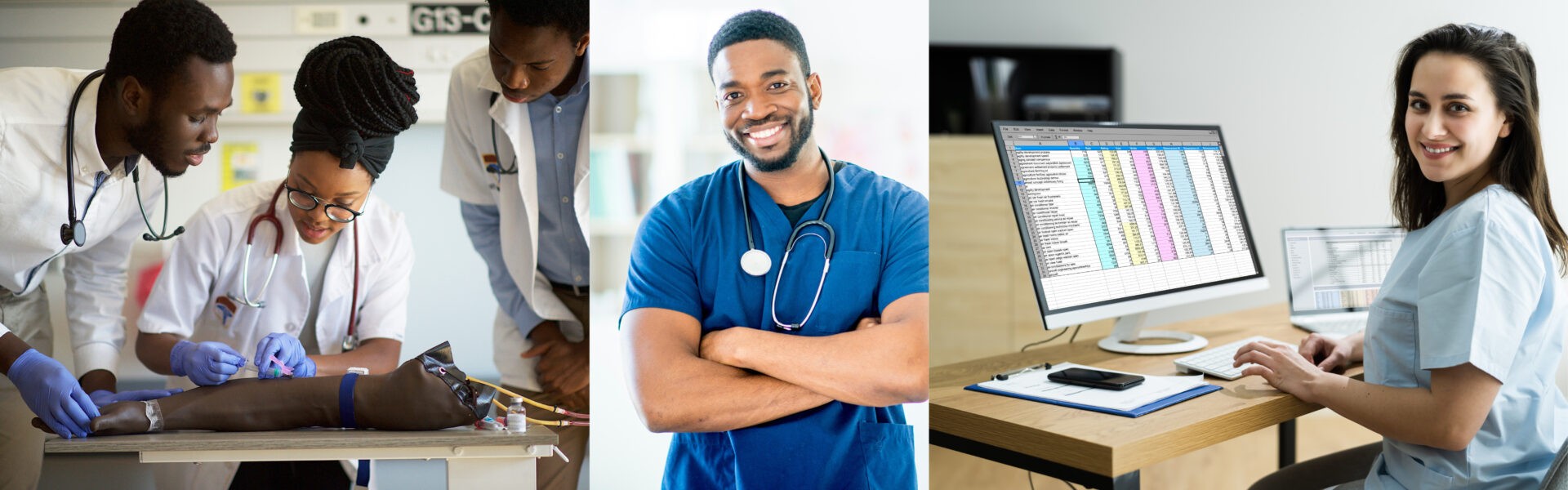
The healthcare industry demands more than just technical expertise; it requires a specific set of personal qualities and professional characteristics that contribute significantly to success. As the landscape of medicine and patient care evolves, so does the importance of these essential traits. Developing these qualities can enhance patient outcomes, foster teamwork, and advance your career within this vital sector.
Adaptability and Continuous Learning
Healthcare professionals operate in a dynamic environment characterized by rapid technological advancements and shifting patient needs. Being adaptable means embracing change and staying current with the latest medical practices and innovations. Engaging in ongoing education ensures that practitioners remain competent and confident in their roles. For instance, integrating emerging technologies like virtual and augmented reality in medical training and patient care can be transformative. To explore how immersive tech is shaping healthcare, visit this resource. Staying adaptable also involves being open to feedback and willing to modify approaches to improve patient outcomes.
Strong Communication Skills
Effective communication is fundamental in healthcare, impacting everything from accurate diagnosis to patient satisfaction. Professionals must convey complex medical information clearly and compassionately, ensuring patients understand their conditions and treatment options. Equally important is active listening—being attentive to patient concerns and family inquiries fosters trust and collaboration. Additionally, clear communication among team members enhances coordination and reduces errors. Leveraging modern tools, such as telehealth platforms, underscores the need for excellent verbal and written skills. As technology advances, innovative solutions are bridging gaps in healthcare delivery; for more insights, see how Servreality is bridging the gap with XR.
Empathy and Compassion
Patients often experience anxiety and vulnerability, making empathy an indispensable trait for healthcare providers. Demonstrating genuine concern and understanding can create a supportive environment, encouraging patients to share vital information and adhere to treatment plans. Compassionate care fosters trust and enhances the healing process. This quality extends beyond individual patient interactions to encompass teamwork and collaboration among colleagues. As healthcare becomes increasingly sophisticated, visual tools such as 3D modeling and immersive simulations are revolutionizing how professionals understand and communicate complex concepts, contributing to more empathetic patient care. For insights into how visualization techniques are transforming medicine, visit this article.
Interesting:
- Prioritizing patient experience in 2025 key reasons for healthcare success
- Essential traits for success as a healthcare professional
- Elevating healthcare customer service essential skills and training for professionals
- Comprehensive bls certification training for healthcare professionals
- Essential qualities healthcare providers must demonstrate for success
Professional Integrity and Ethical Practice
Trustworthiness and a strong ethical foundation are critical in healthcare. Professionals must adhere to principles of honesty, confidentiality, and patient rights, ensuring that care is delivered ethically and responsibly. Maintaining integrity also involves being accountable for one’s actions and decisions, which bolsters public confidence and team cohesion. Ethical practice is especially important when navigating complex medical dilemmas and emerging technologies. As the field advances with innovative tools, understanding the ethical implications is vital for responsible practice. Continuous education on medical ethics remains essential for maintaining high standards of professionalism.
Teamwork and Collaboration
Healthcare is inherently multidisciplinary, requiring professionals to work seamlessly with diverse teams. Effective collaboration involves respecting different perspectives, sharing knowledge, and supporting colleagues to achieve common goals. Teamwork enhances efficiency, reduces errors, and improves patient outcomes. The integration of virtual and augmented reality in medical training exemplifies how collaborative learning environments can enhance skills and foster camaraderie among healthcare teams. For a deeper understanding of how immersive technologies are advancing collaborative practices, see this resource. Cultivating strong interpersonal skills and a collaborative mindset is crucial for success in today’s complex healthcare settings.
—
Developing these attributes is essential for anyone aspiring to excel in healthcare. Emphasizing adaptability, communication, empathy, integrity, and teamwork creates a strong foundation for a rewarding and impactful career. As innovation continues to shape the future of medicine—such as from molecules to market the new era of pharmaceutical visualization—healthcare professionals must continually refine their personal qualities to meet the challenges and opportunities ahead.