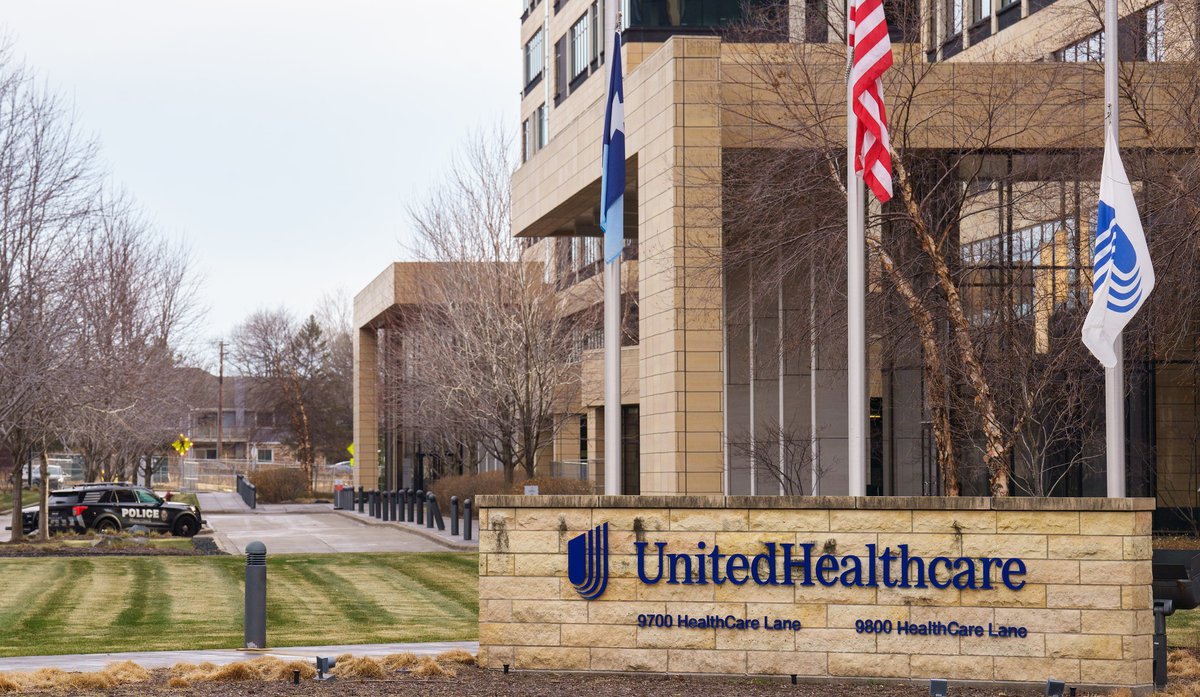
The story of my mother’s experience with UnitedHealthcare highlights serious concerns about the Medicare Advantage system and its impact on vulnerable seniors. What began as an opportunity for better benefits quickly turned into a nightmare that exposed systemic issues within private insurance plans operating under government-funded programs. Her case exemplifies the challenges many families face when navigating complex healthcare policies and the aggressive marketing tactics used to enroll seniors into often problematic plans.
The Introduction of Medicare Advantage and Its Growing Popularity
My mother was initially excited when a UnitedHealthcare Medicare Advantage representative offered her a new plan that included dental coverage—something her original Medicare did not provide. Medicare Advantage plans, funded by the government but managed privately, are designed to offer additional benefits beyond traditional Medicare. Instead of paying medical expenses directly as they arise, these insurers receive a fixed sum for each enrollee, allowing them to manage benefits and services within that budget.
Currently, over half of all Medicare-eligible individuals are enrolled in these plans, as they often come with lower premiums and extra perks for healthier, younger seniors. Many seniors, like my mother, are unaware of the significant differences between traditional Medicare and these private plans, simply trusting the representatives they speak with over the phone.
The Deceptive Enrollment Process and Its Consequences
My mother, a cheerful and trusting person, had no idea she was shifting from her original coverage. She was merely happy to discuss her options and look forward to the benefits promised by the new plan. I had power of attorney for her healthcare, yet I only discovered her enrollment change weeks later, after a crisis arose. I received a distressing midday call informing me that one of her doctors could no longer see her. It was only then that I realized she had been switched without my knowledge or consent.
I contacted the federal Medicare office to reverse her enrollment, but they explained I had missed the open enrollment period, which meant I would have to wait nine months before making any changes. UnitedHealthcare had mailed her the enrollment information, but I only found it among her old newspapers much later. Exercising what I believed was within my authority, I requested that Medicare lock her account to prevent further unauthorized switches. However, I was told they could not do this, and as a result, her plan was switched again the following year.
I repeatedly contacted Medicare representatives, demanding to know why they permitted such mismanagement. It was shocking to learn that private companies could mislead and manipulate vulnerable seniors with little oversight. I even reached out to UnitedHealthcare for their perspective, but they did not respond. Meanwhile, I struggled to secure proper healthcare for my mother, a cancer survivor with heart issues and a pacemaker. She had longstanding relationships with her doctors, who knew her medical history intimately—something that was lost when she was restricted to providers on UHC’s list.
Loss of Trusted Healthcare Providers and Impact on Care
The physical therapist who had been helping my mother regain mobility, a dedicated young man named Adam, was abruptly cut off after her switch to Medicare Advantage because he wasn’t on UHC’s provider list. When I contacted other providers, they refused to treat her unless we traveled to their clinics for each appointment, which was difficult and exhausting for her. To ensure she received necessary care, I paid Adam in cash to continue visiting her—an expensive workaround that never restored her previous level of independence.
Navigating these issues was further complicated by restrictions on representation and communication. Often, I needed my mother to be present during calls, but her confusion and my packed schedule made this difficult. Phone tag and bureaucratic hurdles meant that my efforts to advocate on her behalf were time-consuming and frustrating. The system implicitly devalues the time of adult children caregivers, especially women, who often bear the brunt of navigating these complex processes.
Interesting:
I repeatedly warned my mother against making any decisions over the phone, but her memory and trust in these calls led her to re-enroll repeatedly. During open enrollment season, I was so desperate to prevent her from being enrolled in another Medicare Advantage plan that I considered disabling her phone altogether to stop the calls.
The Marketing Manipulation and Industry Criticism
These manipulative tactics are widespread across the country. U.S. Senator Ron Wyden, chair of the Senate Finance Committee, has highlighted how fall open enrollment triggers a flood of marketing efforts aimed at seniors—an influx of direct mail, emails, and relentless phone calls intended to recruit them into Advantage plans. A survey by the Commonwealth Fund documented that, during the 2023 enrollment period, a third of seniors received more than seven calls weekly from marketers.
Sales agents are notably clever in their approach. Some of my mother’s friends recounted receiving calls claiming their Medicare was about to expire and urging them to “renew” their coverage. In reality, these “renewals” often meant switching to a Medicare Advantage plan with a different provider, not renewing their original Medicare.
Experts like Brandon Novick from the Center for Economic and Policy Research describe Medicare Advantage as a “scam” because it conceals serious drawbacks—such as restricted provider choices, delays, and denials of necessary care. These plans often do not disclose these issues upfront, and the aggressive marketing tactics exploit seniors’ trust. UnitedHealthcare, in particular, has gained notoriety for its high claim denial rates, with recent data indicating it rejected roughly one-third of submitted claims, nearly double the industry average.
The Growing Concerns and Calls for Reform
Medical professionals and researchers have voiced strong criticism. Dr. Craig Albanese, CEO of Duke Health, noted that UHC denies payments for care 40% more often than other insurers, leading to increased administrative costs and patient frustration. The Wall Street Journal reported last November that many Medicare Advantage enrollees are leaving these plans due to difficulties in obtaining coverage, especially those with complex health needs. Insurers closely manage care, requiring approval for services and limiting provider options—practices that undermine the quality and accessibility of healthcare.
Many doctors have also condemned the program, accusing Medicare Advantage plans of cherry-picking healthier patients while abandoning those with greater needs. A recent Journal of the American Medical Association article calls for abolishing Medicare Advantage altogether, citing past reform failures and arguing that the program has become a failed experiment that harms patient care. Instead, the authors advocate for strengthening traditional Medicare, which provides more comprehensive and equitable coverage.
I hope reforms will be implemented soon. For years, I watched my mother’s health decline under the shadow of aggressive marketing and restrictive policies that prioritized profits over patient well-being. Her experience ended with her passing in January 2022 at age ninety-three, her final years marred by the deception and failures of a profit-driven industry.
For more insights on how artificial intelligence is transforming healthcare, see how AI helps clinicians and patients in clinical settings. As the industry evolves, understanding these dynamics becomes crucial to advocating for better, more transparent healthcare systems worldwide, including comparing the effectiveness of different national health services at which country truly has the best healthcare system. Staying informed about the latest developments in AI applications in medicine can help shape future reforms and protect vulnerable populations from exploitation.