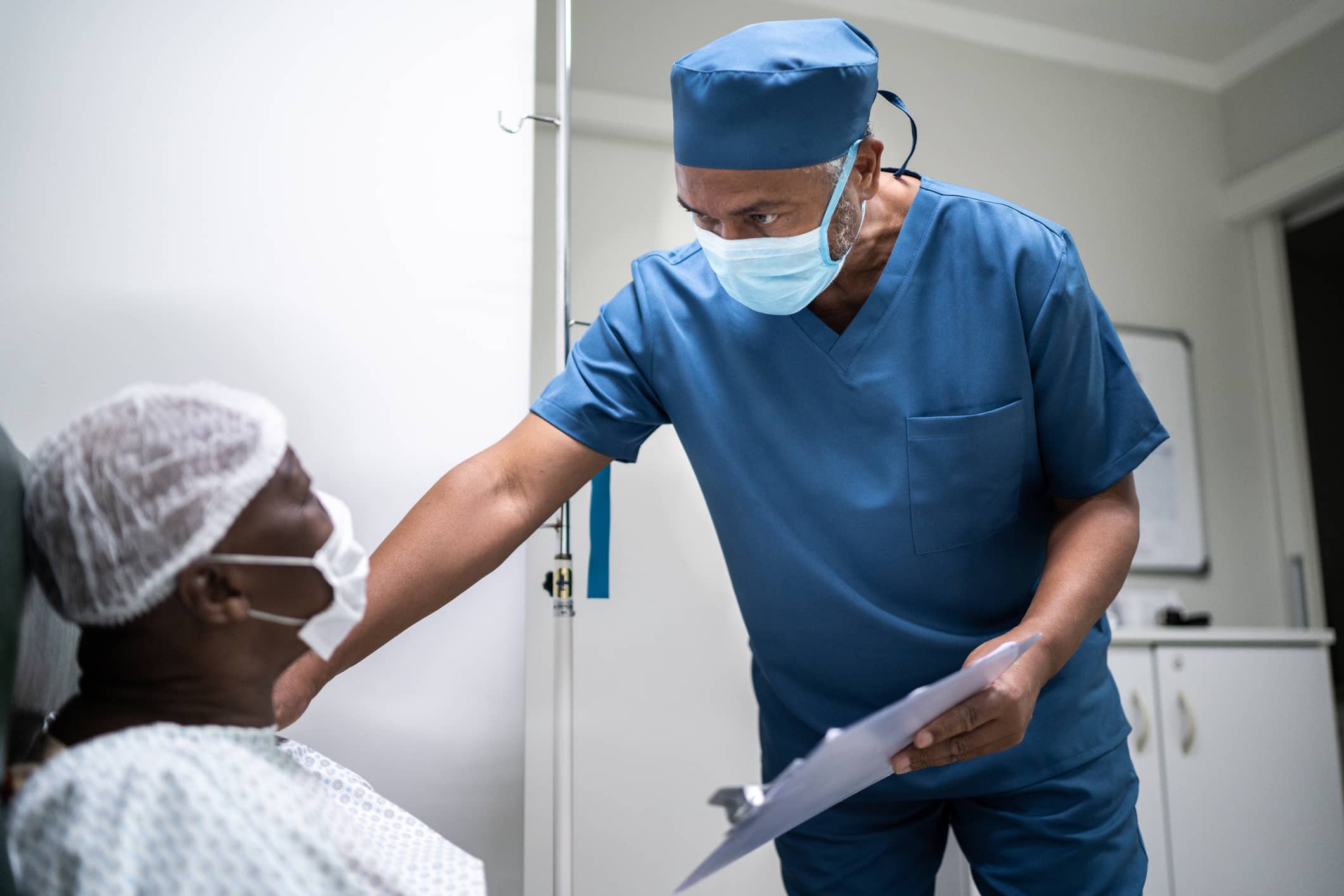
Improving patient safety remains a critical concern in healthcare, with errors continuing to pose risks to millions of patients annually. Nurses are uniquely positioned to serve as frontline defenders against preventable harm, leveraging their skills, knowledge, and advocacy to create safer healthcare environments. By adopting best practices and fostering a culture of safety, nurses can contribute profoundly to reducing errors, enhancing care quality, and promoting a patient-centered approach. Exploring effective strategies and understanding the systemic factors involved is essential for any nursing professional committed to making a positive impact on patient outcomes.
Many safety issues encountered in healthcare settings—such as medication mistakes, patient falls, infections, communication breakdowns during handoffs, and missed care—are often symptoms of larger systemic problems rather than individual faults. As Patricia McGaffigan, RN, MSN, emphasizes, errors are frequently a reflection of team dynamics and organizational structures that require continual improvement. Nurses possess the insight and influence necessary to address these challenges, but success depends on implementing comprehensive strategies rooted in evidence-based practices.
Top 8 Strategies for Enhancing Patient Safety
1. Cultivate a Culture of Safety
Establishing a robust safety culture is foundational for minimizing errors. Such a culture prioritizes transparency, trust, and shared responsibility among all healthcare team members. According to the American Nurses Association, a safety-oriented environment demonstrates core values such as openness, learning from mistakes, and providing adequate resources for safe staffing. When staff members feel empowered and supported, they are more likely to speak up about hazards without fear of retribution. For example, Memorial Healthcare System’s commitment to fostering a transparent safety climate has been instrumental in reducing adverse events.
Inquiring about a prospective employer’s safety metrics and their approach to error reporting can help nurses choose workplaces that prioritize safety. Implementing system-wide safety initiatives requires collective effort, where every team member recognizes their role in maintaining a safe environment.
2. Prioritize Clear and Effective Communication
Effective communication is vital for patient safety. Nurses should actively voice concerns about unsafe conditions, malfunctioning equipment, or the need for assistance. Shared governance models, routine handoff procedures, and interdisciplinary rounds are practical avenues to facilitate open dialogue. Since communication lapses during shift changes pose significant risks, strategies such as structured shift reports and bedside handoffs have proven effective. Memorial Hospital’s use of walking rounds and detailed shift summaries exemplifies how consistent information exchange enhances safety.
Additionally, leveraging technology and standardized communication tools can reduce misunderstandings, ensuring vital information is accurately conveyed across teams and shifts.
3. Adhere to Basic Care Protocols and Utilize Checklists
Simple yet critical practices like oral hygiene, repositioning patients regularly, and checking vital signs should never be overlooked. Missed fundamental care often correlates with increased risks, including pneumonia and pressure ulcers. Research indicates that employing checklists and time-outs before procedures significantly decreases medical errors. Memorial Healthcare’s adoption of crew resource management, including hourly rounding and procedural checklists, demonstrates how structured approaches can improve patient outcomes. These techniques foster consistency, reduce variability, and reinforce safety during routine tasks.
4. Empower Patients as Safety Partners
Engaging patients actively in their care enhances safety by providing additional verification of treatment plans and medication administration. Asking patients about their goals and listening carefully to their concerns can identify potential errors before they occur. Memorial’s initiative to provide patients with personalized medication records encourages dialogue and accountability. Empowered patients and families can also use help alert systems to report concerns, creating an additional safety net. Building a partnership with patients transforms them into allies in preventing mistakes and promoting transparency.
Interesting:
5. Learn from Errors and Near Misses
Creating a culture of continuous learning involves analyzing incidents and near misses to understand root causes. Using tools like fishbone diagrams for root cause analysis helps uncover underlying systemic issues. Immediate debriefings after events such as falls or medication errors ensure detailed recollections before details fade, facilitating targeted improvements. Nurses should seek ongoing training in incident analysis and safety protocols to strengthen their ability to contribute to organizational learning and prevent future harm.
6. Practice Self-Care to Reduce Fatigue and Burnout
Nurses’ mental and physical well-being directly impacts patient safety. The COVID-19 pandemic has heightened the prevalence of fatigue, depression, and burnout among healthcare workers, leading to increased error rates. Recognizing signs of stress and seeking support through employee assistance programs or counseling services is crucial. Maintaining healthy routines—adequate sleep, nutritious eating, social connections, and stress management—helps sustain high-quality care. As Bernadette Melnyk advises, nurses must avoid “pouring from an empty cup,” emphasizing the importance of self-care in maintaining vigilance and competence.
7. Follow Rigorous Infection Control Measures
Strict adherence to infection prevention protocols is essential, especially during ongoing public health challenges like COVID-19. The CDC recommends vaccination, mask-wearing, hand hygiene, and environmental cleaning to minimize transmission risks. For healthcare workers, proper use of personal protective equipment (PPE), patient isolation when necessary, and environmental disinfection are critical components. Implementing these measures protects both patients and staff, reducing healthcare-associated infections and ensuring safer care environments.
8. Take Leadership and Get Involved
Nurses can expand their influence by participating in safety committees, pursuing certifications in patient safety, and assuming roles such as safety officers. Their frontline insights often lead to innovative solutions that improve organizational protocols. Nurses’ creative ideas and vigilance are invaluable for identifying potential hazards and implementing effective interventions. Engaging in continuous professional development and leadership opportunities enhances the collective capacity to foster safer healthcare settings.
For those interested in exploring technological innovations in healthcare, understanding the role of immersive technologies like virtual and augmented reality can be beneficial. These tools are increasingly used in training and patient care, as seen in applications that support VR and AR in healthcare, pharmaceuticals, and sports, providing immersive solutions that improve safety and education.
Furthermore, the development of healthcare applications requires careful attention to design, functionality, and user experience. Insights into best practices can be gained from examining what to consider during healthcare app development through resources like the essentials of creating effective healthcare software.
Technology is also revolutionizing medicine by bridging gaps through extended reality solutions. Learn how companies like Servreality are transforming patient care and medical training by bridging the gap with XR technologies. Additionally, advances in pharmaceutical visualization—from molecules to market—are enhancing understanding and communication in drug development, as discussed in the latest innovations in pharmaceutical visualization.
By embracing these strategies and staying informed about technological advancements, nurses can be pivotal in creating safer, more effective healthcare environments that prioritize patient well-being at every step.