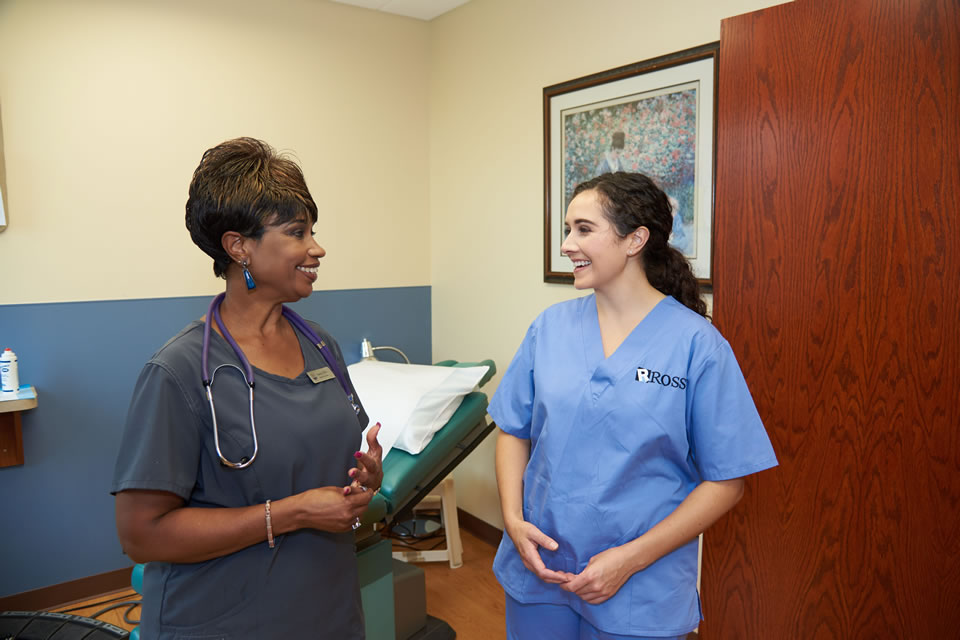
Entering the healthcare field is both demanding and profoundly fulfilling. Healthcare workers are vital to society, providing critical physical, emotional, and medical support to those in need. Excelling in this profession goes beyond simply performing assigned tasks; it involves cultivating a set of core qualities and a passionate attitude that elevates patient care and teamwork. Developing these traits not only enhances the quality of assistance provided but also fosters a rewarding career path. In this article, we explore the key characteristics that distinguish exceptional healthcare workers and contribute to their success.
Passion
A genuine passion for healthcare is the foundation for delivering outstanding patient care. When you truly care about your work, it fuels your dedication, especially during challenging times. Facing setbacks or difficult cases becomes manageable when driven by a strong sense of purpose. Passion motivates healthcare professionals to go above and beyond, ensuring that patients receive compassionate, attentive treatment. This enthusiasm also inspires colleagues and builds a positive, energetic work environment. Understanding the impact of emerging technologies, such as artificial intelligence, can further enhance patient outcomes; for example, exploring how AI reduces operational costs in healthcare illustrates the importance of innovation driven by committed professionals.
Empathy
Empathy is at the heart of effective caregiving. An outstanding healthcare worker can genuinely understand and resonate with a patient’s feelings, fears, and needs. This ability to connect emotionally fosters trust, making patients feel valued and understood. Empathy extends beyond physical treatment, offering emotional reassurance that can significantly influence recovery and overall well-being. Establishing a compassionate rapport encourages patients to communicate openly, leading to more accurate diagnoses and personalized care. To grasp how technology is transforming patient interactions, it’s useful to see examples of AI in healthcare that support empathetic approaches.
Patience
Healthcare environments often involve complex, unpredictable situations requiring a high degree of patience. Patients respond differently to treatment and may take varying amounts of time to heal; some may also have emotional or behavioral challenges. Remaining calm and composed amid chaos ensures that care remains consistent and compassionate. Patience allows healthcare workers to provide thorough attention, answer questions thoughtfully, and avoid rushing procedures that might compromise safety. This quality is especially crucial during stressful emergencies or when managing difficult patients, reinforcing the need to prepare for the demanding schedules that often include long hours, which may involve working evening or weekend shifts.
Communication Skills
Effective communication is essential for coordinating care among medical teams, explaining procedures to patients, and understanding individual needs. Exceptional healthcare professionals are attentive listeners who convey information with clarity, empathy, and professionalism. Clear dialogue ensures that patients are well-informed, which enhances trust and compliance. Additionally, seamless communication with colleagues and family members fosters a collaborative environment that improves health outcomes. As healthcare evolves with new technologies, staying current with innovations like decoding the meaning of healthcare apps is vital for maintaining effective communication channels.
Flexibility
No two patients are alike, and healthcare workers must adapt their approaches to meet specific needs. Flexibility involves adjusting treatment plans, workflows, and interpersonal strategies to deliver personalized care. Being open to change and willing to learn new techniques ensures that providers stay relevant in an ever-evolving field. Flexibility also encompasses managing unpredictable schedules, such as working irregular hours or handling unforeseen emergencies. This adaptability is essential for maintaining high-quality service and continuously improving patient satisfaction.
Reliability
Dependability is a hallmark of exceptional healthcare workers. Patients and families rely on consistent support, punctuality, and follow-through. Demonstrating responsibility and professionalism builds trust and credibility, which are fundamental in healthcare settings. Whether it’s adhering to protocols or being available for urgent situations, reliable staff create a safe and predictable environment. Building a reputation for dependability encourages teamwork and reassures patients that their well-being is prioritized.
Interesting:
- Mastering the six essential phases of an effective medical billing system
- Essential qualities healthcare providers must demonstrate for success
- Essential traits for success as a healthcare professional
- The essential role of a healthcare compliance officer
- The role of the primary healthcare provider essential insights and best practices
Problem-Solving Skills
Healthcare professionals often encounter complex and rapidly changing scenarios requiring quick thinking and decisive action. Strong problem-solving abilities enable workers to analyze situations, identify effective solutions, and implement appropriate interventions confidently. Maintaining composure under pressure is crucial for addressing unexpected complications efficiently. Developing this skill involves ongoing education and experience, equipping providers to navigate challenges effectively and enhance patient outcomes. To stay current with technological advancements, exploring real-world AI applications in healthcare can offer insights into innovative problem-solving tools.
Adaptability
The healthcare landscape is continually advancing with new practices, digital tools, and research findings. Professionals must be eager to learn and incorporate innovations into their daily routines. Staying updated with the latest developments, such as the current use of AI in mainstream healthcare, ensures that care remains state-of-the-art. Moreover, adaptability includes managing the demands of shift work, long hours, and diverse patient populations. Embracing change and continuous learning are vital for sustained excellence in patient care.
Physical Fitness
Given the physical demands of healthcare roles, maintaining good physical health is essential. Many positions require standing for extended periods, lifting patients, or moving heavy equipment. Being physically fit helps healthcare workers perform their duties efficiently and reduces the risk of injury. Regular exercise, proper nutrition, and sufficient rest contribute to stamina and resilience. Particularly in hospital settings, where mobility and strength are often tested, staying in good shape ensures that providers can deliver consistent, high-quality care without undue fatigue.
Professionalism
Displaying professionalism is fundamental for earning respect and trust in healthcare. This includes maintaining patient confidentiality, adhering to ethical standards, and demonstrating integrity in all interactions. Self-awareness regarding attitude, appearance, and communication influences how patients and colleagues perceive a healthcare worker. Upholding these standards fosters a respectful, safe, and effective working environment. Cultivating professionalism, combined with the other qualities discussed, positions healthcare workers for long-term success and recognition.
—
Developing and actively improving these key traits can significantly impact your effectiveness and satisfaction in the healthcare profession. Emphasizing qualities like empathy, adaptability, and professionalism not only benefits patients but also leads to a fulfilling and enduring career. For a deeper understanding of technological advancements in healthcare, including how innovations are shaping the industry, visit AI’s role in healthcare.