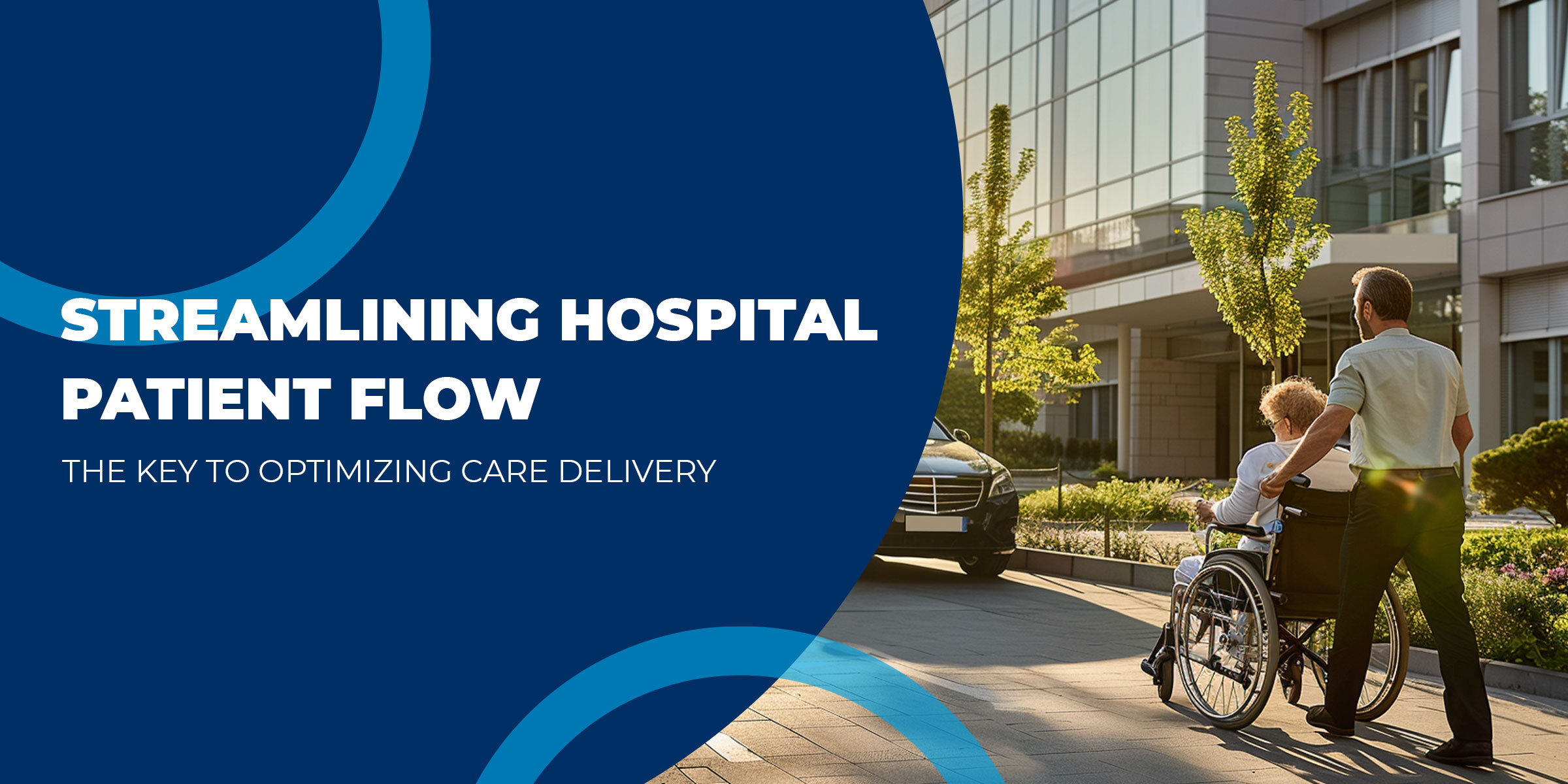
A smooth and efficient patient flow is fundamental to delivering high-quality healthcare. In a hospital setting, patient flow refers to the seamless progression of individuals through various stages of care—from initial admission to final discharge. When this process is optimized, hospitals can significantly improve patient outcomes, reduce wait times, and operate more effectively. Conversely, bottlenecks and inefficiencies not only compromise care quality but also strain staff resources and elevate operational costs. As healthcare systems become increasingly complex, adopting innovative strategies to enhance patient movement is essential for achieving better clinical results and patient satisfaction.
Hospitals that successfully manage patient flow create a more positive experience for patients, staff, and visitors alike. Properly coordinated movement ensures that patients arrive on time for appointments, reduces overcrowding in critical areas, and accelerates discharge procedures. These improvements lead to faster bed turnover rates, cost savings, and a more organized environment. To realize these benefits, healthcare facilities must address potential bottlenecks and implement patient-centered solutions that prioritize safety, efficiency, and comfort.
The Significance of Streamlined Patient Movement in Healthcare Facilities
Efficient management of patient transitions plays a vital role in overall healthcare quality and hospital performance. Moving patients through the care continuum with minimal delays ensures that resources—including staff, equipment, and beds—are utilized optimally. This not only accelerates treatment timelines but also enhances patient safety and satisfaction.
Ineffective patient flow can lead to several critical issues:
- Overcrowding: Congested hospital areas compromise safety and heighten the risk of infections and errors. It stretches limited resources thin, making attentive care more challenging.
- Prolonged Wait Times: Patients may experience extended waits for diagnostics, treatments, or transfers, which can negatively impact health outcomes and elevate stress levels.
- Diminished Patient Satisfaction: Long waits and perceived neglect erode trust in healthcare providers, reducing adherence to treatment plans and overall satisfaction.
- Delayed Bed Availability: Inefficient discharge processes cause bed shortages, limiting capacity to admit new patients and increasing operational costs.
Achieving smooth patient movement is crucial for maintaining high standards of care and operational efficiency. Implementing strategic solutions, such as integrating advanced technology or refining logistical workflows, can significantly improve flow management.
Challenges Impeding Effective Patient Flow
Hospitals often face complex challenges that hinder the smooth movement of patients. These challenges start from the moment patients arrive at the facility. For instance, inefficient check-in procedures or inadequate signage can cause congestion at entry points, confusing visitors and delaying their journey through the hospital.
Transition times between departments—such as moving a patient from the emergency room to a specialized ward—are common points of delay, especially when communication lapses or staffing shortages occur. Discharge delays often stem from pending test results, administrative paperwork, or lack of streamlined procedures, which can extend hospital stays unnecessarily.
Non-clinical factors also play a significant role. The hospital’s physical layout—including the placement of departments, corridors, and equipment—can either facilitate or hinder swift movement. Poorly designed spaces force staff and patients to navigate longer routes or search for supplies, adding unnecessary time and frustration.
While clinical staff often shoulder the responsibility for patient movement, focusing solely on their tasks overlooks opportunities to leverage technology and logistical innovations. Efficient resource allocation requires a broader approach that includes non-clinical aspects, such as hospital infrastructure and administrative workflows.
Strategies for Improving Hospital Patient Movement
Achieving optimal patient flow demands a multifaceted approach that addresses the root causes of delays and inefficiencies. Implementing the right strategies can significantly enhance the patient experience while easing staff workload. Key solutions include:
Optimizing Parking and Arrival Processes
The journey begins long before a patient steps inside the hospital. Easing the parking experience reduces stress and shortens the time needed to reach the facility. Well-designed parking solutions prevent congestion and improve overall flow during peak hours.
Effective measures include:
Interesting:
- Enhancing hospital efficiency through effective patient flow management
- Enhancing healthcare efficiency through increased patient portal engagement
- Enhancing healthcare efficiency through optimized patient flow
- Enhancing patient care through healthcare provider cultural competency and disability awareness training
- Enhancing healthcare efficiency through vertical integration
- Valet Parking Services: Offering ticketless valet options allows patients to drop off their vehicles without fuss. Using virtual tickets sent to mobile devices streamlines retrieval upon departure, providing a personalized touch while helping visitors navigate the parking lot efficiently.
- Designated Drop-Off Zones: Clearly marked areas for quick drop-offs help keep traffic flowing at entrances, minimizing delays caused by congestion.
- Smart Parking Management: Implementing intelligent systems to allocate spaces and monitor availability reduces unnecessary circling and facilitates smoother arrivals.
Supporting Internal Movement with Advanced Functions
Hospitals can adopt several operational strategies to enhance internal patient movement:
- In-Patient Transport Services: Dedicated staff or services that swiftly and safely transfer patients between departments ensure timely appointments and reduce delays.
- Streamlined Entrance Operations: Efficient front-desk management, including screening and wayfinding assistance (such as wheelchair escorts), eases patient navigation and alleviates confusion.
- Discharge Optimization: Establishing discharge lounges staffed with attendants helps coordinate patient exit, freeing up beds faster and reducing bottlenecks.
Leveraging Technology and Data Analytics
Modern technology plays a crucial role in refining patient flow:
- Electronic Health Records (EHRs): Seamless access to comprehensive patient data improves coordination across departments.
- Real-Time Tracking Systems: Monitoring patient locations and statuses allows staff to make quick decisions and respond proactively.
- Predictive Analytics: Forecasting admission and discharge trends enables hospitals to allocate resources efficiently, preventing overcrowding and delays.
Improving Communication and Collaboration
Effective communication among healthcare professionals is essential for smooth transitions. When doctors, nurses, and support staff coordinate well, patients experience fewer delays and feel more cared for. Clear protocols, shared information platforms, and teamwork across departments enhance the overall efficiency of patient movement.
Embracing Patient-Centered Care Models
Focusing on patient needs and preferences ensures that care pathways are tailored for optimal experience. Creating integrated care teams that prioritize holistic, timely treatment results in smoother transitions, higher satisfaction, and better health outcomes. This approach also promotes operational efficiencies by reducing unnecessary repeats or delays.
Towne Health’s “Holistic Patient Flow Solution”: A Unified Approach
To address the multifaceted nature of hospital flow challenges, Towne Health has developed the “Comprehensive Patient Flow Enhancement (CPFE)” program. This integrated approach combines multiple support services into a single, cohesive system designed to improve every touchpoint in the patient journey.
Key features include:
- Streamlined Parking Solutions: Making parking hassle-free ensures patients and visitors start their hospital experience on a positive note.
- Efficient Entrance Operations: Clear signage, safety screenings, and guided navigation reduce confusion and waiting times.
- Patient Transport Assistance: Friendly staff and concierge services facilitate timely movement within the hospital, reducing transfer delays.
- Rapid Discharge Processes: Discharge lounges and coordinated exit procedures streamline patient departure, freeing beds and reducing congestion.
This holistic model tackles common pain points—such as parking difficulties, internal navigation, and discharge delays—by addressing each in an integrated manner. For more innovative ways hospitals are transforming patient logistics, explore virtual reality in medicine perspectives and features, which are increasingly used to improve staff training and patient engagement.
By focusing on these crucial, often-overlooked elements, Towne Health’s solutions drive better operational outcomes and elevate patient care standards. Efficient patient flow ensures that hospitals can meet appointment schedules, serve more patients, and deliver compassionate, timely treatment.
Final Thoughts
A hospital’s ability to deliver timely, quality care hinges on effectively managing patient movement. Streamlining the entire patient journey—from arrival through treatment to discharge—not only enhances clinical outcomes but also improves satisfaction and operational efficiency. Implementing comprehensive strategies, including technological innovations and patient-centered models, is vital for modern healthcare facilities.
Towne Health’s CPFE exemplifies a forward-thinking approach that unifies parking, navigation, transport, and discharge into a seamless system. These improvements reduce delays, optimize resource use, and create a more positive experience for everyone involved. Embracing such solutions positions hospitals to meet the growing demands of healthcare delivery with confidence.
Ready to revolutionize your hospital’s patient flow? Discover how Towne Health is leading the way in healthcare innovation. Connect with Michael Sachs on LinkedIn to explore tailored solutions that enhance your facility’s efficiency and patient outcomes. Together, we can set new standards for excellence in healthcare delivery.
Sources:
- https://www.ncbi.nlm.nih.gov/pmc/articles/PMC10910643/
- https://www.ihi.org/