


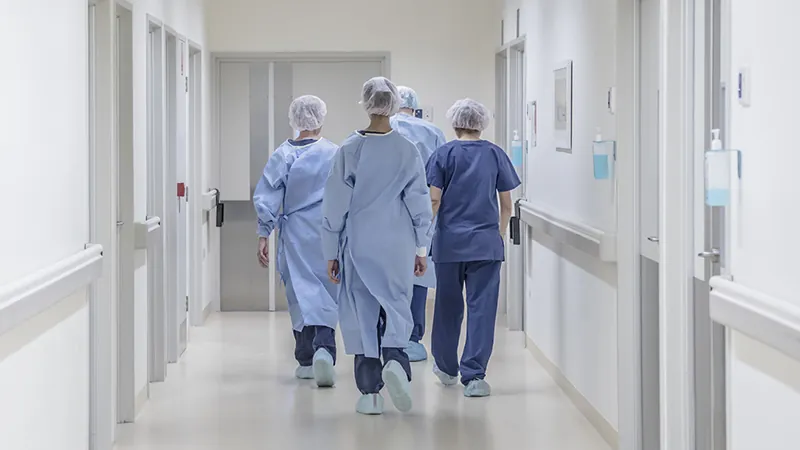
Healthcare environments are increasingly vulnerable to security threats that can compromise patient safety, staff well-being, and regulatory compliance. As hospitals and clinics expand their facilities and adopt new technologies, the importance of robust physical security and access control systems becomes paramount. Protecting sensitive areas such as operating rooms, pharmaceutical storage, and data centers requires a comprehensive approach that integrates modern solutions with traditional security measures. This guide delves into the critical components, emerging trends, and strategic steps necessary to establish a secure and compliant healthcare environment.
Healthcare institutions face a complex array of security challenges stemming from their open and accessible design. Unauthorized access to high-risk zones can lead to significant safety hazards, while workplace violence and theft of medical supplies threaten operational integrity. Cyber-physical threats, such as hacking into digital access systems or medical devices, further complicate security management. Ensuring compliance with strict regulations like HIPAA in the U.S. and GDPR in Europe is essential for legal operation and safeguarding patient data. Integrating advanced security technologies not only mitigates these risks but also enhances overall hospital efficiency and patient trust.
Core Components of a Robust Healthcare Security System
Implementing a layered security framework is vital for safeguarding healthcare facilities. At its core, access control systems verify personnel identity through credentials such as RFID cards, biometric scans (including facial or fingerprint recognition), and mobile-based authentication. Employing multi-factor authentication (2FA) adds further security, requiring users to present multiple forms of verification—such as a card and a biometric scan—before gaining access to sensitive areas like drug dispensaries or surgical theaters.
Visitor and contractor management systems are equally important. Secure check-in procedures utilizing identity verification and temporary access credentials ensure that only authorized individuals enter restricted zones. Digital visitor logs provide an audit trail necessary for compliance and incident investigation. Additionally, AI-powered surveillance enhances security by monitoring high-risk zones like emergency departments and parking facilities. Features such as real-time facial recognition and behavior analysis enable security teams to identify potential threats proactively, often integrating seamlessly with access systems to trigger automatic responses when anomalies are detected.
Preparedness for emergencies is critical. Automated crisis management tools facilitate rapid communication and lockdown protocols during incidents like active shooter threats or natural disasters. Lockdowns can be initiated instantly to contain threats, securing critical areas and minimizing harm. As cybersecurity threats rise, hospitals must also implement measures such as encrypted logs, strict identity verification, and secure networks for connected medical devices, ensuring that both physical and digital assets are protected.
Regulatory and Compliance Considerations
Healthcare security must adhere to stringent legal standards designed to protect patient information and ensure safety. In the United States, HIPAA mandates strict control over access to medical records, requiring healthcare providers to implement security measures that restrict unauthorized viewing. Similarly, in Europe, GDPR enforces data privacy principles that healthcare organizations must follow, especially when handling sensitive health information.
Workplace safety regulations, such as OSHA standards, necessitate measures to prevent violence and ensure staff safety. Local and national security standards specify requirements for controlled access points, visitor management protocols, and routine security audits. Meeting these compliance standards not only avoids legal repercussions but also fosters a safer environment for both patients and staff.
Emerging Trends and Innovations in Healthcare Security
The evolution of healthcare security is driven by technological advances that enhance protection while improving operational efficiency. Artificial intelligence (AI) enables predictive analytics, helping security teams preempt threats before they materialize. The integration of Internet of Things (IoT) devices allows real-time monitoring of environmental conditions, equipment status, and personnel movement, creating a dynamic and responsive security ecosystem.
Centralized security management platforms facilitate oversight across multiple facilities from a single interface, streamlining incident response and resource deployment. Mobile credentialing—using smartphones instead of traditional access cards—reduces costs and enhances convenience, while decreasing the risk of lost or stolen keys. Additionally, innovative solutions like XR (Extended Reality) applications are revolutionizing medical training and patient care, with services like Servreality bridging the gap between technology and healthcare delivery.
Interesting:
Healthcare organizations are increasingly adopting AI-driven threat detection, cloud-based access controls, and IoT-enabled security devices to stay ahead of evolving risks. These advancements create smarter, more adaptable security infrastructures capable of responding swiftly to emergencies and cyber threats alike.
Developing and Implementing an Effective Healthcare Security Strategy
A strategic approach begins with comprehensive risk assessments to identify vulnerabilities and evaluate current security measures. Based on these insights, healthcare facilities should establish role-based access control (RBAC) policies to restrict entry to sensitive zones, ensuring only authorized personnel can access critical systems. Adopting a unified security platform that consolidates access management, intrusion detection, video surveillance, and emergency response tools simplifies operations and enhances oversight.
Scalability is essential; selecting solutions that grow with the facility allows for seamless expansion and integration of new technologies. Training staff on security protocols and emergency procedures ensures preparedness, while ongoing monitoring, audits, and system optimization keep defenses aligned with emerging threats and regulatory changes.
Why Choose ICT for Healthcare Security?
ICT offers innovative security solutions crafted specifically for healthcare environments. Their systems combine access control, intrusion detection, and building automation to deliver a comprehensive security infrastructure that complies with industry standards. With a proven track record, ICT’s scalable and intelligent solutions help hospitals, clinics, and research centers protect patient data, regulate facility access, and respond swiftly to emergencies.
Their technology integrates features such as a unified data platform that consolidates multiple databases into a single source of truth, reducing discrepancies and enabling real-time updates—discover how this integration benefits healthcare systems. Secure access to restricted areas is enforced through multi-layered controls, including door interlocking and anti-passback features that prevent credential sharing and tailgating.
Enhanced patient safety is achieved through specialized solutions like impact-resistant, anti-ligature covers and wristband credentials, particularly useful in high-risk environments. Instant lockdown capabilities can be pre-programmed and triggered in multiple ways, ensuring rapid response during crises. The open architecture of ICT systems allows integration with video management, biometrics, and building management systems, providing a seamless operational experience from a single interface.
Landspítali, the largest hospital in Iceland, exemplifies successful integration with ICT’s Protege system. The hospital transitioned from a fragmented legacy setup to a unified, touchless system that enhances hygiene, operational efficiency, and safety—see how modern hospitals are transforming with ICT.
Key Takeaways
- Healthcare facilities encounter rising security challenges, including unauthorized access, violence, and regulatory compliance issues.
- A layered security approach incorporating access control, AI-driven surveillance, and emergency systems is essential for comprehensive protection.
- Restrict access to sensitive zones through role-based policies and verified visitor management.
- Advanced video analytics and behavior detection enable proactive threat mitigation.
- Rapid lockdown and mass notification systems are critical during crises.
- Integrating cybersecurity with physical security safeguards sensitive data and connected medical devices.
- A centralized, scalable security ecosystem enhances operational oversight and future growth.
- Compliance with standards such as HIPAA, GDPR, and OSHA is fundamental to legal and safe operations.
- Emerging security trends include AI threat prediction, mobile credentials, and IoT-enabled devices.
- Implementing a security upgrade involves risk assessments, policy development, technology deployment, and continuous improvement.
- ICT delivers tailored, innovative security solutions that help healthcare providers create safer, more efficient environments.
Ready to elevate your healthcare safety measures? Explore our tailored security solutions designed to protect your facility and ensure the highest quality care for your patients.