Improving patient and client interactions is essential in healthcare settings, and tailored training initiatives can significantly enhance service quality. Whether delivered in-person or via virtual platforms, these programs empower staff at all levels to provide compassionate, efficient, and consistent care. By investing in comprehensive training solutions, healthcare organizations can foster a culture of excellence that benefits both patients and staff. Exploring various training strategies, including role-specific modules and ongoing coaching, ensures that the principles of superior customer service are deeply ingrained and sustained over time.
Virtual Learning Opportunities
The training programs outlined above are also accessible through virtual platforms, allowing organizations to reach staff regardless of location. Online courses and webinars enable flexible scheduling and scalable learning solutions, ensuring that every team member receives the essential skills needed for exceptional patient interactions. Virtual training not only maintains engagement but also provides a cost-effective way to deliver consistent education across diverse healthcare settings, helping staff stay current with best practices and organizational standards.
Power of One: Cultivating a Service-Oriented Culture
Making Healthcare Customer Service Training Memorable and Impactful
How can healthcare organizations ensure that customer service training results in lasting behavioral change? Baird Group has developed specialized modules designed for healthcare professionals across various departments, including nursing, registration, food services, scheduling, hospitality, housekeeping, ancillary services, and billing. While not everyone in a healthcare organization directly cares for patients, every employee interacts with customers—be they patients, families, or visitors—making their role vital in shaping the overall experience.
This licensed training program equips organizations with the tools to sustain ongoing, customized classes. Additionally, train-the-trainer sessions led by Baird consultants prepare internal staff to deliver consistent, effective training internally, fostering a self-sustaining culture of service excellence.
Empowering Healthcare Staff to Make a Difference
The Power of One program emphasizes that each team member has a significant influence on the patient experience. Participants learn how to demonstrate empathy through words and actions, adhere to behavioral standards for service excellence, and take ownership of every interaction. Leaders are also trained to coach, mentor, model, and recruit staff who embody these values, ultimately nurturing a culture where exceptional customer service becomes second nature.
Phone Skills Training: Making a Strong First Impression
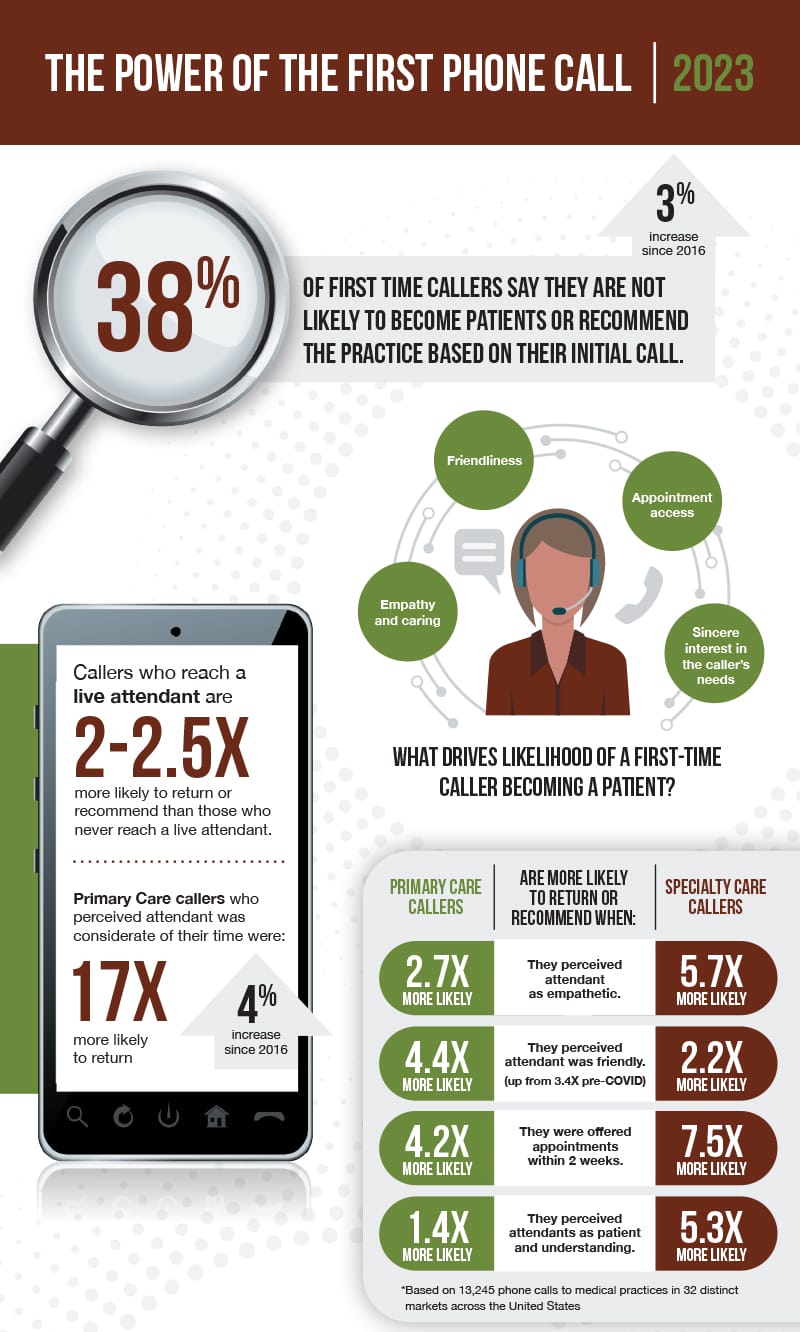
The initial contact with a healthcare facility often occurs over the phone, and this first impression can determine future engagement. Research indicates that over a third of patients who have a negative experience during their initial call choose not to follow up. To address this, Baird Group trains internal trainers to perpetuate essential telephone skills, ensuring staff are prepared for every interaction with confidence and professionalism.
Frontline Phone Skills Development
Participants learn how to turn phone calls into opportunities for building trust and loyalty. They explore the five key elements of effective phone communication and uphold gold standards that reflect their organization’s customer service commitments. Managers, meanwhile, are guided on how to establish organization-specific standards, conduct hiring and training, and evaluate performance to maintain high-quality telephone interactions.
Interesting:
- Elevating healthcare customer service through effective training programs
- Elevating patient experience through effective healthcare customer service training
- Elevating healthcare customer service essential skills and training for professionals
- Mastering exceptional healthcare customer service training for better patient experience
A+ Service Recovery: Turning Service Failures into Opportunities
Every patient interaction presents a chance to build trust, but occasional service failures are inevitable. When managed properly, these moments can transform dissatisfied patients into loyal advocates. Evidence shows that well-handled complaints often create more dedicated supporters than if no issues had arisen at all.
Baird Group’s A+ Service Recovery Training provides a comprehensive approach to managing service setbacks. The program includes leadership development to enable managers to serve as effective coaches, as well as frontline training that equips staff with practical skills to handle complaints confidently and empathetically.
Frontline Service Recovery Skills
This interactive two-hour session employs real-life stories and scenarios to teach staff how to recognize recovery opportunities and respond appropriately. Participants learn the significance of service recovery in enhancing the patient experience and aligning with organizational mission and values. They practice verbal and nonverbal communication strategies and make personal commitments to take ownership of service recovery efforts.
Leadership’s Role in Sustaining Service Excellence
Leadership training emphasizes defining service recovery, reinforcing the five recovery steps, and actively supporting staff in their efforts. Leaders learn coaching techniques to embed recovery practices into daily operations, ensuring that a culture of continuous improvement is maintained.
Ongoing Training and Organizational Integration
To embed service recovery deeply into organizational culture, ongoing training options are available. These include licensing packages that allow staff and leaders to access training materials, conduct refresher courses, and customize content based on specific scenarios. Resources include comprehensive trainer guides, customizable slide decks, and virtual coaching sessions, enabling organizations to sustain high standards over the long term.
Additional Resources and Support
For organizations seeking to deepen their understanding of healthcare roles, exploring topics like the functions of primary care physicians here can provide valuable insights. Similarly, clarifying the distinctions among various healthcare providers helps streamline team coordination and communication, which is essential for delivering seamless patient care. To fully grasp the scope of provider roles, consult this resource. Furthermore, understanding the different responsibilities of medical doctors, physician assistants, and advanced practice registered nurses is critical for effective team functioning; detailed explanations are available here.
By investing in comprehensive, ongoing healthcare customer service training, organizations can cultivate a workforce committed to excellence, ultimately enhancing patient satisfaction and organizational reputation.