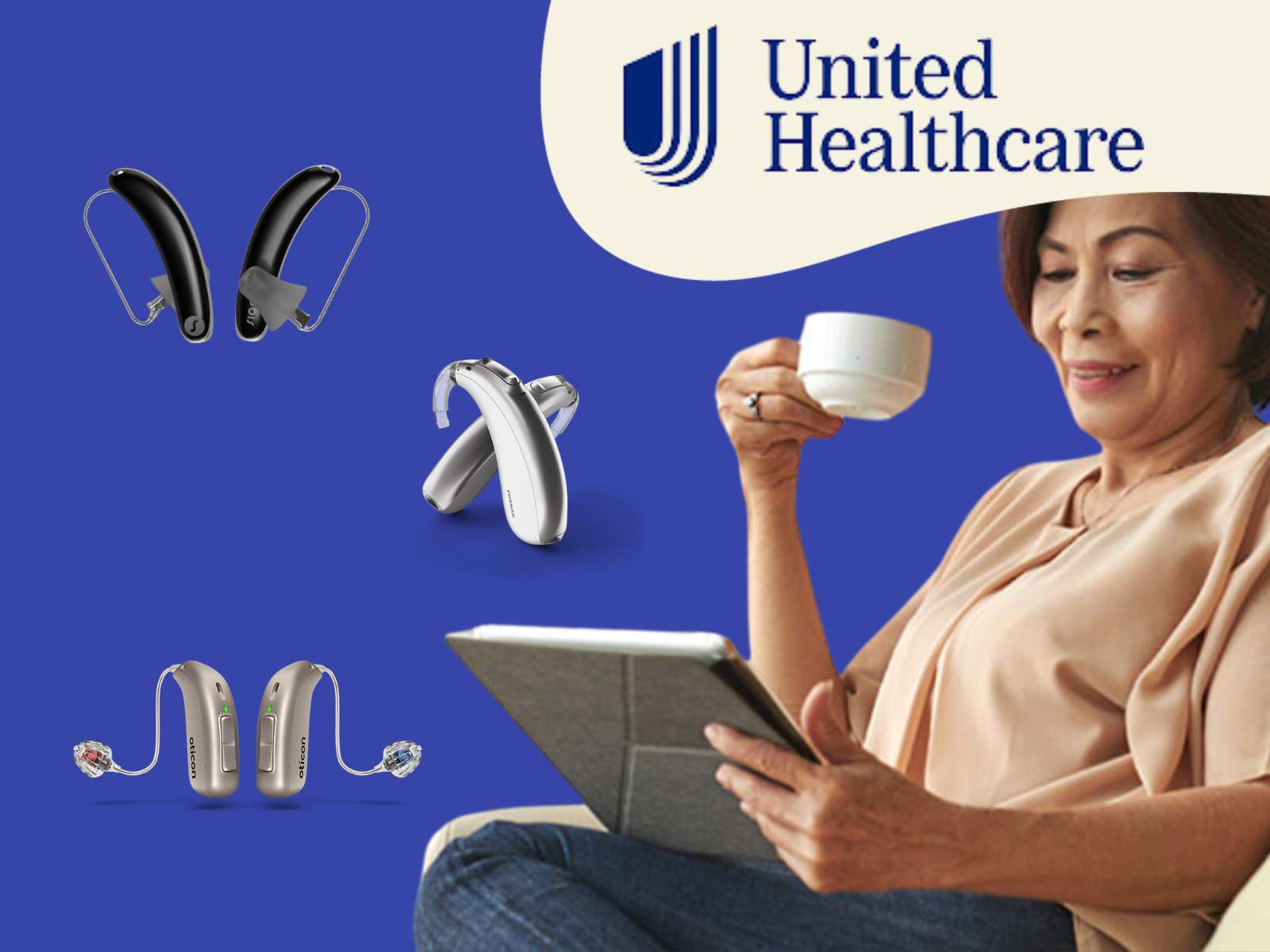
Access to quality hearing aids can significantly enhance an individual’s communication, independence, and overall quality of life. As healthcare coverage options evolve, many patients wonder whether their insurance plans, such as UnitedHealthcare, include benefits for hearing aid purchases and services. Understanding the specifics of UHC’s coverage for hearing aids can help you make informed decisions and navigate your options effectively.
For those exploring how artificial intelligence is transforming healthcare, it’s interesting to note that AI technologies are increasingly integrated into diagnostic and treatment processes, improving patient outcomes. You can learn more about this trend by exploring how AI is used in mainstream healthcare. Additionally, the advantages of incorporating AI into medical systems are substantial, from enhancing diagnostic accuracy to streamlining administrative tasks, which ultimately benefits patients and providers alike. Discover the key benefits of integrating AI into medical systems. As AI tools become more prevalent, they are also aiding clinicians in providing better care and personalized treatment plans, including hearing health management. Find out what AI actually does for doctors and patients in clinical settings. When considering healthcare systems worldwide, some countries excel in providing comprehensive coverage, including audiology services; explore global health which country actually has the best healthcare system.
UnitedHealthcare Hearing: A Brief Overview
UnitedHealthcare Hearing has established itself over the past two decades as a leading provider of accessible and affordable hearing health services. With a network comprising more than 7,000 locations nationwide, UHC offers a wide range of services, including hearing tests, consultations, and ongoing care. Patients can access both prescription and over-the-counter hearing aids from top brands, making hearing health solutions more reachable than ever.
UnitedHealthcare is a major component of UnitedHealth Group, one of the largest healthcare companies globally. Its mission is to improve access, affordability, outcomes, and patient experiences across the healthcare spectrum. The company’s other division, Optum, leverages technology and data to deliver more efficient care, which extends into audiology services. This integration ensures that patients benefit from innovative approaches to hearing health management.
Understanding UHC’s Coverage for Hearing Aids
Coverage for hearing aids under UnitedHealthcare varies based on the specific plan and its benefits. Generally, UHC has made notable progress in expanding coverage for both adults and children with hearing impairments. The plans typically include coverage for medically necessary hearing aids—meaning devices prescribed and deemed essential by a healthcare professional to treat hearing loss. If your audiologist determines that hearing aids are necessary for your health, UHC plans may significantly offset the costs or provide coverage options.
It’s important to review your particular plan details, as coverage levels and requirements can differ. For comprehensive insights, consult your plan documentation or speak directly with a UHC representative. The process of obtaining hearing aids through UHC involves several steps, from evaluation to fitting, which we will detail below. You can also explore how AI is transforming healthcare to understand the broader context of technological advancements improving patient services.
Pros and Cons
Pros of obtaining hearing aids through UHC include:
- Access to a broad network of over 7,000 hearing care providers nationwide
- Generally lower costs compared to other plans or out-of-pocket expenses
- Competitive benefits that balance affordability with quality
- Availability of over-the-counter hearing aids via uhchearing.com
Cons to consider are:
- Coverage limitations in some plans, such as Medicare Advantage plans in Alaska
- Possible restrictions with third-party referral networks, which may include co-pays or limited follow-up care
Popular UHC Plans
Several UnitedHealthcare plans offer hearing aid benefits. The most prominent include:
- UnitedHealthcare Choice Plus: This plan includes coverage for hearing aids and offers access to discounted devices through the UHC provider network.
- UnitedHealthcare Options PPO: Provides coverage for medically necessary hearing aids and discounts on additional hearing devices.
- UnitedHealthcare Medicare Advantage plans: These plans often include hearing aid benefits, with coverage options and discounts available, especially for over-the-counter devices.
Each plan has its specific eligibility criteria and coverage limits, so reviewing the details or consulting with UHC directly is advisable. For those who qualify for both Medicare and Medicaid, dual-eligible plans provide additional benefits, including an allowance of roughly $1,100 for hearing devices—making essential hearing technology more accessible.
Individual and Family Plans
UnitedHealthcare offers a variety of plans for individuals and families, such as the Platinum plan, which can include coverage for hearing aids up to $2,000 per ear every 36 months. This level of coverage generally covers both standard and more advanced hearing devices, though benefits can vary based on the plan specifics. Always review your plan’s details to fully understand your coverage limits and costs.
Interesting:
Medicare (AARP/UHC Medicare Advantage)
Members of AARP benefit from additional hearing aid benefits, including initial hearing evaluations and co-pays that typically range from $375 to $2,075. Most plans limit coverage to two hearing aids per year, but the specifics depend on your particular plan. It’s essential to verify these details with your provider or plan administrator. You can also learn about the benefits of integrating AI into medical systems, which is increasingly impacting diagnostic and treatment processes in audiology.
Employer Plans
Coverage under employer-based plans varies by state and employer. In states like Texas, Oklahoma, Oregon, and Washington, plans often cover one hearing aid per ear every 36 months, provided the device is fitted by an audiologist and deemed medically necessary. Some plans also include annual coverage for earmolds and replacements, but coverage for accessories, batteries, and assistive devices may depend on state mandates or employer policies.
How to Access UnitedHealthcare Hearing Benefits
Many UHC plan participants—including those with employer-sponsored, individual, or Medicare Advantage plans—can purchase prescription hearing aids through UnitedHealthcare Hearing. Certain plans, such as Medicare Special Needs Plans or group retiree plans, may offer hearing aids at little to no out-of-pocket cost. Starting in 2024, coverage for select over-the-counter hearing aids has expanded across many plans, providing more affordable options for consumers. Members also receive benefits like free hearing exams and follow-up care.
For AARP members, Hearing Solutions™ offers hearing aids starting at $699 each, including consultations and aftercare. These discounts are available without the need for UHC insurance, making quality hearing care more accessible.
Always connect with UHC directly through www.uhchearing.com to verify your plan’s coverage details and requirements. The availability of services and costs may differ based on your specific policy.
The Process: From Evaluation to Hearing Aid Fitting
To begin the journey, schedule a hearing assessment with an in-network provider. This evaluation helps determine the severity of your hearing loss and guides the selection of appropriate devices. After diagnosis, you’ll review different hearing aid options, with the most affordable typically being the UHC Relate model from Unitron.
Once you select your preferred device, you’ll sign the necessary paperwork and place your order. When your hearing aids arrive, you’ll return to the provider for a fitting, which ensures the devices are calibrated to your hearing profile and comfortable to wear. Note that, as of January 2024, UHC has discontinued virtual fittings; all fittings must now occur in person at your provider’s office.
What to Expect After the Fitting
Your plan usually includes a set number of follow-up visits to fine-tune your hearing aids and address any issues. Additional appointments beyond those covered may involve co-pays, so it’s important to clarify these costs beforehand. Your healthcare provider will discuss the specifics of your coverage during the fitting appointment, ensuring transparency and helping you plan financially.
Adjusting to Your Hearing Aids: Patience and Support
Getting accustomed to hearing aids is a gradual process that requires patience, support, and ongoing communication with your provider. During this adjustment period, it’s common to have questions about device functionality, comfort, or maintenance. Remember, your provider is just a call or email away, ready to help you maximize your hearing aid benefits. For helpful tips on easing the transition, explore resources on adjusting to hearing aids.
Conclusion
Managing hearing health can seem complex, but with comprehensive plans like those offered by UnitedHealthcare, you are supported every step of the way. With various options tailored to different needs and budgets, UHC’s coverage aims to make essential hearing devices accessible and affordable. Understanding your plan’s details and maintaining open communication with your provider are crucial to optimizing your benefits. Embrace the transformative power of hearing aids and reconnect with the sounds and conversations that enrich your life. Your journey toward better hearing is an investment in your overall well-being and happiness.