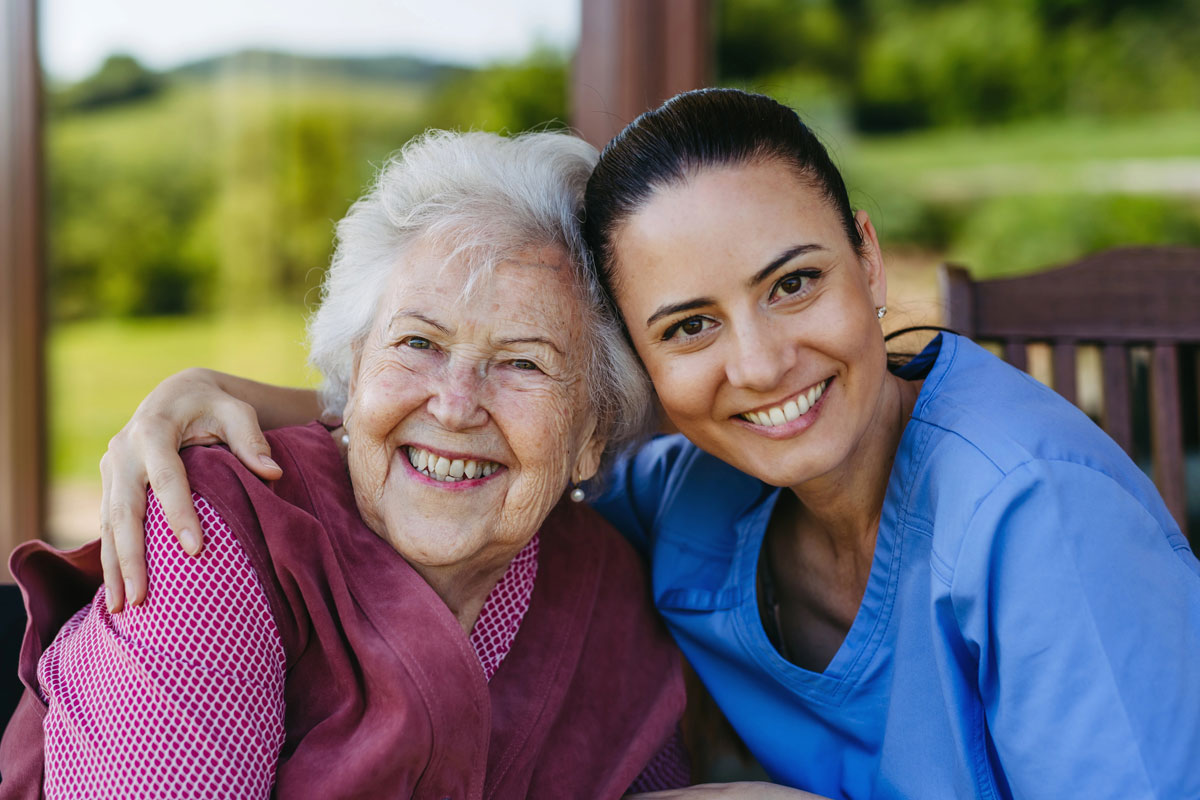
Providing quality care for individuals with health or mobility challenges involves different roles within the healthcare system. Two prominent positions are the home health aide and the certified nursing assistant (CNA). While both are essential to patient well-being, understanding their distinct responsibilities, training requirements, and work environments is crucial for those considering a career in healthcare or seeking the right type of support for loved ones.
As technology advances, particularly with the integration of artificial intelligence into healthcare, the landscape of caregiving continues to evolve. For example, AI applications are enhancing diagnostic accuracy and patient monitoring, which impacts how caregivers are trained and how they deliver care. Learning about these roles and their development can help you make informed decisions.
This overview explores the core differences between home health aides and CNAs, including their daily duties, work environments, training pathways, and career progression options. It also highlights how specialized dementia care training, such as that provided by the National Council of Certified Dementia Practitioners (NCCDP), enhances the quality of care for individuals living with cognitive impairments.
The Role of a Home Health Aide
Home health aides are dedicated caregivers who primarily work in the comfort of their clients’ homes. Their primary mission is to support individuals who need assistance with daily activities, enabling them to maintain independence and quality of life. These caregivers often work closely with clients over extended periods, fostering personal relationships that can significantly enhance emotional well-being.
Typical responsibilities include assisting with personal hygiene tasks like bathing, dressing, and grooming; preparing nutritious meals; helping with light housekeeping chores; offering companionship and emotional support; aiding with mobility and transportation; and monitoring vital signs or reminding clients to take medications. Their work often involves caring for elderly clients or those recovering from illness or injury, especially individuals managing chronic conditions such as Alzheimer’s disease. For this reason, specialized dementia care training becomes particularly valuable for home health aides, equipping them to provide compassionate and effective support.
Knowing the CNA Role
Certified Nursing Assistants operate within more clinical environments, working under the supervision of licensed nurses. They are vital members of healthcare teams in hospitals, nursing homes, and long-term care facilities. CNAs perform a range of medical and personal care tasks that require more formal training and certification.
Their typical duties include taking and recording vital signs, assisting with medical procedures, helping patients reposition to prevent bedsores, and providing personal care similar to that of home health aides. Additionally, CNAs observe and report changes in their patients’ conditions, assist with feeding, and support overall health management. Because of their broader scope of practice, CNAs often work with multiple patients during a shift, which requires strong teamwork skills and medical knowledge. Their training emphasizes clinical procedures, enabling them to assist with more complex healthcare needs.
Home Health Aide Vs. CNA: Key Differences
Work Environment
Home health aides mainly operate within clients’ residences, providing one-on-one care in a familiar, comfortable setting. This environment allows for close, personalized relationships that can last for years. Conversely, CNAs generally work in institutional settings such as hospitals or nursing homes, where they oversee multiple patients simultaneously. These environments are more structured and often involve shift work that demands adaptability and efficiency.
Training and Certification
Training requirements vary significantly between the two roles. Home health aides typically need less formal education—often just a high school diploma and completion of a brief training program approved by the state. They may also pursue additional certifications in specialized areas like dementia care to improve their skills. In contrast, CNAs are required to complete a state-approved training program and pass a competency exam to earn certification, reflecting their more extensive clinical responsibilities.
Scope of Practice
CNAs have a broader scope of practice, including performing clinical tasks such as wound care, catheter maintenance, and assisting with medical procedures under a nurse’s supervision. Home health aides focus primarily on personal and daily living assistance, with limited involvement in medical tasks. This distinction means that CNAs are often better equipped to handle complex healthcare situations.
Interesting:
- Comparing healthcare professionals and certified nurse assistants roles education and opportunities
- Understanding the role of certified nursing assistants in healthcare teams
- Exploring the role of certified nursing assistants essential duties and career pathways
- Understanding the role and opportunities of certified nursing assistants
Patient Interaction
Because of their work environments, home health aides often develop long-term, trusting relationships with their clients, sometimes spending entire shifts with a single individual. This setup fosters emotional bonds and personalized care. CNAs, on the other hand, typically care for multiple patients per shift, concentrating on immediate health needs and clinical tasks. Both roles can benefit from dementia-specific training—home health aides, in particular, may find certifications in Alzheimer’s and dementia care especially useful in providing compassionate at-home support.
Specialization in Dementia Care
Both roles can benefit from specialized dementia care training, but home health aides working with clients in private homes often find such certifications especially valuable. These certifications improve their ability to deliver nuanced, empathetic care for individuals living with Alzheimer’s disease or related dementias, particularly in a home setting where personalized approaches are essential.
Career Advancement
CNAs often have more structured pathways for career growth within healthcare. They can pursue further education to become Licensed Practical Nurses (LPNs) or Registered Nurses (RNs). Home health aides can also advance their careers, generally by transitioning into other roles within home care, healthcare administration, or specialized caregiving. Continuous education and training, especially in dementia care, are vital for career development in both tracks.
Choosing the Right Path
Deciding between becoming a home health aide or a CNA depends on personal interests and career goals. Those passionate about providing personalized, in-home support may find the home health aide role more fulfilling. Meanwhile, individuals interested in clinical procedures and working in structured healthcare environments might prefer the CNA position. Both careers require ongoing education—pursuing specialized training, such as that offered by organizations like NCCDP, can significantly enhance caregiving skills, especially given the increasing prevalence of cognitive decline among aging populations.
The Role of NCCDP in Enhancing Dementia Care Education
The National Council of Certified Dementia Practitioners (NCCDP) plays a vital role in improving dementia care through specialized training programs. By offering certification in dementia care, NCCDP equips caregivers—including both home health aides and CNAs—with the necessary knowledge and skills to handle the unique challenges of caring for individuals with cognitive impairments. Their programs emphasize compassionate, patient-centered approaches, ensuring caregivers can deliver the highest quality support. Moreover, embracing advancements such as artificial intelligence—used increasingly in healthcare—can further improve caregiver training and patient outcomes. For more insights into how AI influences clinical practice, visit this resource.
Choosing to pursue education through NCCDP ensures caregivers stay updated on best practices and innovative strategies for dementia care, fostering a future where individuals with cognitive changes receive compassionate and effective support.
About the Author
NCCDP Staff
The NCCDP team comprises experienced professionals dedicated to advancing dementia care education. Their expertise helps create comprehensive training programs that meet the evolving needs of caregivers and healthcare providers.
—
Note: For additional caregiver tips and resources, you can explore our guides on supporting individuals with dementia and managing challenging behaviors. Keeping informed and trained in specialized care techniques is essential in today’s healthcare landscape, especially with the growing integration of new technologies like artificial intelligence, which can significantly improve clinical outcomes.