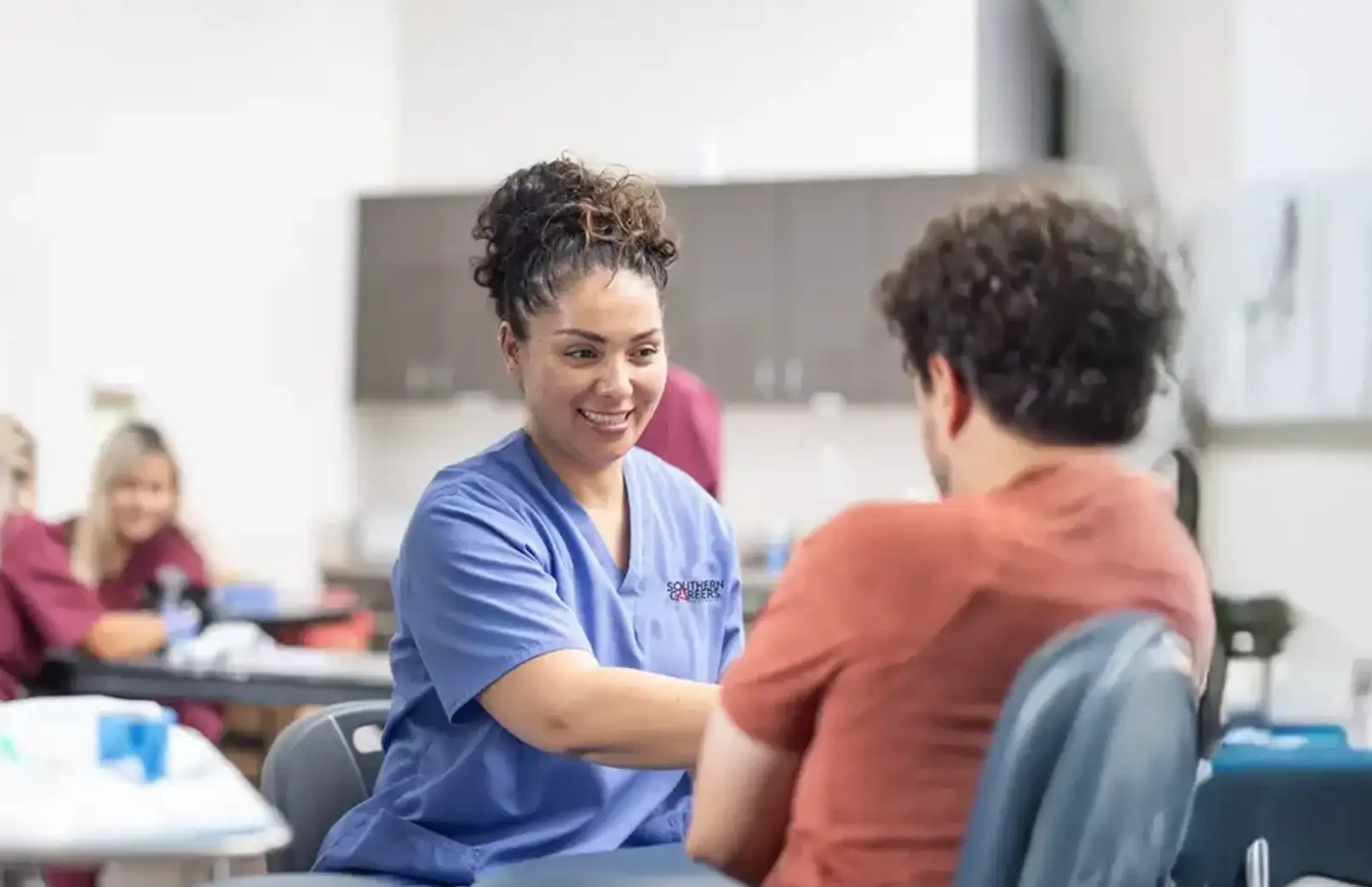
Starting a career in healthcare as a nurse aide offers a fulfilling opportunity to make a real difference in people’s lives. Whether you’re just beginning or looking to enhance your skills, comprehensive training programs can help you gain the necessary certifications and practical experience to enter this vital field. Through focused coursework and supervised clinical practice, you will develop essential skills like patient care, safety protocols, and effective communication, preparing you for employment in diverse settings such as long-term care facilities, hospitals, assisted living communities, and home health agencies.
Embarking on this journey involves understanding the training process, certification requirements, and potential career paths. With the right education, you can open doors to numerous employment opportunities, earn competitive wages, and contribute meaningfully to patient well-being. Additionally, modern training methods, including virtual tools and immersive techniques, are revolutionizing health education—see how virtual reality in medicine perspectives and features is transforming healthcare training.
In this guide, you’ll learn about the typical curriculum, certification process, and what to expect from a nurse aide career, along with insights into the importance of hands-on clinical experience and ongoing professional development. Whether you aim to assist in hospitals, nursing homes, or home-based care, becoming a qualified nurse aide is a practical and rewarding step toward a stable and meaningful career in healthcare.
—
Overview of Nurse Aide Training Programs
Nurse aide training programs are designed to prepare students for entry-level healthcare roles, emphasizing core skills in patient care and safety. Most programs, like those offered by reputable institutions such as Southern Careers Institute, can be completed in as little as five weeks. During this period, students focus on vital topics such as infection control, resident rights, emergency procedures, and effective communication. Practical skills are reinforced through supervised clinical rotations at approved long-term care facilities, giving students real-world experience before certification.
The curriculum typically covers essential areas such as restorative services, body mechanics, safe transfers, positioning, and documentation. This comprehensive approach ensures students are well-prepared to meet the demands of diverse healthcare environments, including rehabilitation centers, assisted living facilities, and hospitals. Upon completion, students are eligible to pursue state nurse-aide certification and Basic Life Support (BLS) credentials, which are often required for employment.
Certification and Credentialing
Achieving certification as a nurse aide involves passing a state-approved training program and a competency exam. Certification requirements vary by state, but most require candidates to demonstrate proficiency in both theoretical knowledge and practical skills. For example, in Texas, students must complete a designated training course and pass a written and skills exam to become certified.
Many programs include exam fees within the tuition if taken within a specified period after completing the course. Additionally, earning national certifications, such as BLS, can enhance employability and career prospects. These certifications are often obtained through third-party providers, and fees for some exams are not covered by tuition. For detailed information about certification processes, visit the National Health Career Association testing site, which is authorized to administer certification exams.
Career Opportunities and Salary Expectations
The demand for skilled nurse aides remains strong across various healthcare settings. According to U.S. Bureau of Labor Statistics data, the median annual wage for nursing assistants varies by region, with Austin, TX, averaging around $32,260 per year, and other cities like Brownsville-Harlingen earning approximately $26,570. The healthcare industry continues to grow, and employers seek qualified professionals who can provide compassionate, competent care.
Working as a nurse aide provides the opportunity to gain valuable experience, with many graduates finding employment quickly after certification. The role often serves as a stepping stone to advanced nursing or healthcare positions. To understand more about the job outlook and salary potential, explore training the surgeons of tomorrow with virtual reality to see how innovative tools are shaping medical careers.
Interesting:
- Exploring healthcare cost sharing ministries a viable alternative to traditional insurance
- How to successfully enroll as a healthcare provider with united health care
- Cvs health a leading force in healthcare innovation
- Unraveling cvs defining a healthcare giant in transition
- What makes a good healthcare system
Frequently Asked Questions
What makes Southern Careers Institute stand out? Our programs emphasize practical, hands-on training that prepares students for real-world healthcare settings. We focus on developing skills that employers value, giving students a competitive edge in the job market.
Is previous education necessary to enroll? No, we welcome students from diverse educational backgrounds, including those returning to school after a break. Our supportive community-based learning environment helps you adjust and succeed.
What certifications can I earn? Besides nurse aide certification, students can pursue additional credentials like Basic Life Support, which are often required for employment in various healthcare roles.
Does the school offer financial aid? Yes, as an accredited institution, we participate in federal financial aid programs and grants to make your education more accessible. Contact our admissions team for more information.
How do I get more details or apply? Visit our website or call 1.833.SCI.TEXAS to speak with an admissions representative who can guide you through the enrollment process and answer all your questions.
Is the school accredited? Southern Careers Institute is accredited by the Council on Occupational Education and approved by the Texas Health and Human Services Commission, ensuring quality education and recognized certification.
Can I transfer credits from other schools? Transferability depends on your transcripts and course descriptions, which will be reviewed on a case-by-case basis.
Are programs offered in languages other than English? Currently, all programs are conducted in English, and students must demonstrate proficiency in reading, writing, speaking, and understanding English.
Embarking on a nurse aide career path can be both rewarding and practical. With proper training and certification, you can begin making a positive impact in your community while opening doors to further opportunities in healthcare.